Should you spay or neuter your dog, and when is the right time? Both procedures prevent unwanted pregnancies, but they also affect reproductive health and certain hormone-related behaviors. Understanding their differences can help you make an informed decision about your dog’s long-term well-being.
Every dog has different needs depending on age, breed, size, and medical history. At our veterinary practice in Dunedin, we help pet owners understand their options before scheduling surgery. Learning about the benefits, potential risks, and recovery process can help you prepare for your dog’s procedure.
What Is the Difference Between Spaying and Neutering a Dog?
Spaying and neutering are surgical procedures that prevent dogs from reproducing. However, they involve different reproductive organs.
What Is Spaying?
Spaying is performed on female dogs. It typically involves removing the ovaries and uterus, although some procedures remove only the ovaries. Spaying prevents pregnancy, eliminates heat cycles, and prevents certain reproductive diseases.
What Is Neutering?
Neutering usually refers to removing a male dog’s testicles. This prevents reproduction and significantly reduces testosterone production.
Neutering also eliminates the risk of testicular cancer and may reduce certain hormone-related behaviors. Both procedures require general anesthesia, appropriate pain management, and postoperative monitoring.
What Are the Health Benefits of Spaying a Female Dog?
Spaying provides several potential health benefits beyond preventing unwanted pregnancies.
Prevents Pyometra
Pyometra is a serious uterine infection that commonly affects unspayed female dogs. Symptoms may include vomiting, weakness, increased thirst, and abnormal vaginal discharge. Emergency pet surgery is often necessary. Removing the uterus during spaying prevents this condition.
May Reduce Mammary Tumor Risk
Spaying may reduce the likelihood of mammary tumors, particularly when performed before multiple heat cycles. However, the degree of protection varies, and research has limitations. Our vets can explain how surgical timing may influence your dog’s individual risk.
Eliminates Heat Cycles
Female dogs typically experience heat cycles every several months, although frequency varies. Spaying eliminates these cycles, including associated bleeding and the attraction of male dogs. It also prevents accidental pregnancies.
What Are the Benefits of Neutering a Male Dog?
Neutering can help address certain reproductive health concerns and hormone-driven behaviors.
Prevents Testicular Cancer
As neutering removes both testicles, it eliminates the possibility of developing testicular cancer.
Reduces Certain Prostate Problems
Neutering reduces the likelihood of benign prostatic enlargement, which commonly affects older, intact male dogs. However, it does not prevent every prostate condition.
May Reduce Hormone-Related Behaviors
Some male dogs become less likely to roam, urine-mark, or mount other dogs after neutering. These changes are not guaranteed. Behaviors associated with anxiety, fear, or learned habits may require additional training.
What Are the Possible Risks of Spaying and Neutering?
Although these procedures are commonly performed, every operation carries some risk.
Potential complications include:
- Anesthesia reactions: Some dogs may respond unexpectedly to anesthetic medications.
- Bleeding: Excessive bleeding can occur during or after the surgical procedure.
- Infection: Surgical wounds may become infected during recovery.
- Incision complications: Excessive activity or licking may cause swelling or wound reopening.
- Weight gain: Changes in energy requirements may contribute to weight gain without dietary adjustments.
Research also suggests that sterilization timing may influence certain joint disorders and cancer risks in some breeds.
Before recommending pet surgery, our vets consider your dog’s age, breed, medical history, and overall health.
When Should You Spay or Neuter Your Dog?
There is no single ideal age for every dog. Smaller breeds generally mature earlier than larger breeds. Some large and giant breeds may benefit from delaying sterilization until they are more physically mature.
Several factors influence surgical timing:
- Breed and expected adult size
- Age and growth stage
- Existing medical conditions
- Risk of accidental breeding
- Breed-associated orthopedic concerns
- Reproductive health history
For female dogs, the timing of heat cycles may also influence the recommendation. Our veterinary practice can help determine an appropriate surgical timeline based on your dog’s individual needs.
What Happens During Dog Spay or Neuter Surgery?
Understanding the surgical process can help pet owners prepare for their dog’s appointment.
Before Surgery
Our veterinary team reviews your dog’s medical history and evaluates their overall health. Preoperative blood testing may be recommended to identify concerns that could affect anesthesia. You will also receive instructions about feeding, medications, and surgical preparation.
During Surgery
Your dog receives general anesthesia and appropriate pain management. During spaying, the veterinarian removes the reproductive organs through a surgical incision.
During neutering, the testicles are removed through a smaller incision, typically near the scrotum. Your dog’s vital signs are monitored throughout anesthesia and recovery.
After Surgery
Our team monitors your dog as anesthesia wears off. Before discharge, we provide instructions covering medications, incision care, activity restrictions, and warning signs.
How Long Does Recovery Take After Spaying or Neutering?
Most dogs require approximately 10–14 days of restricted activity while their surgical incision heals. Recovery depends on the procedure, individual health, and whether complications develop.
First 24–48 Hours
Your dog may experience temporary sleepiness, mild discomfort, or reduced appetite. Provide a quiet resting area and follow the veterinarian’s feeding instructions. Contact your veterinarian if your dog experiences persistent vomiting, severe weakness, or worsening discomfort.
Days 3–7
Many dogs become more energetic during this period. However, increased energy does not mean the incision has completely healed. Continue restricting running, jumping, and rough play.
Days 10–14
Many uncomplicated surgical incisions have healed sufficiently for veterinary reassessment. Your veterinarian will determine when your dog can safely resume normal activities.
How Can You Help Your Dog Recover Safely at Home?
Proper aftercare helps reduce surgical complications and supports healing.
Follow these recommendations:
- Keep the surgical incision clean and dry.
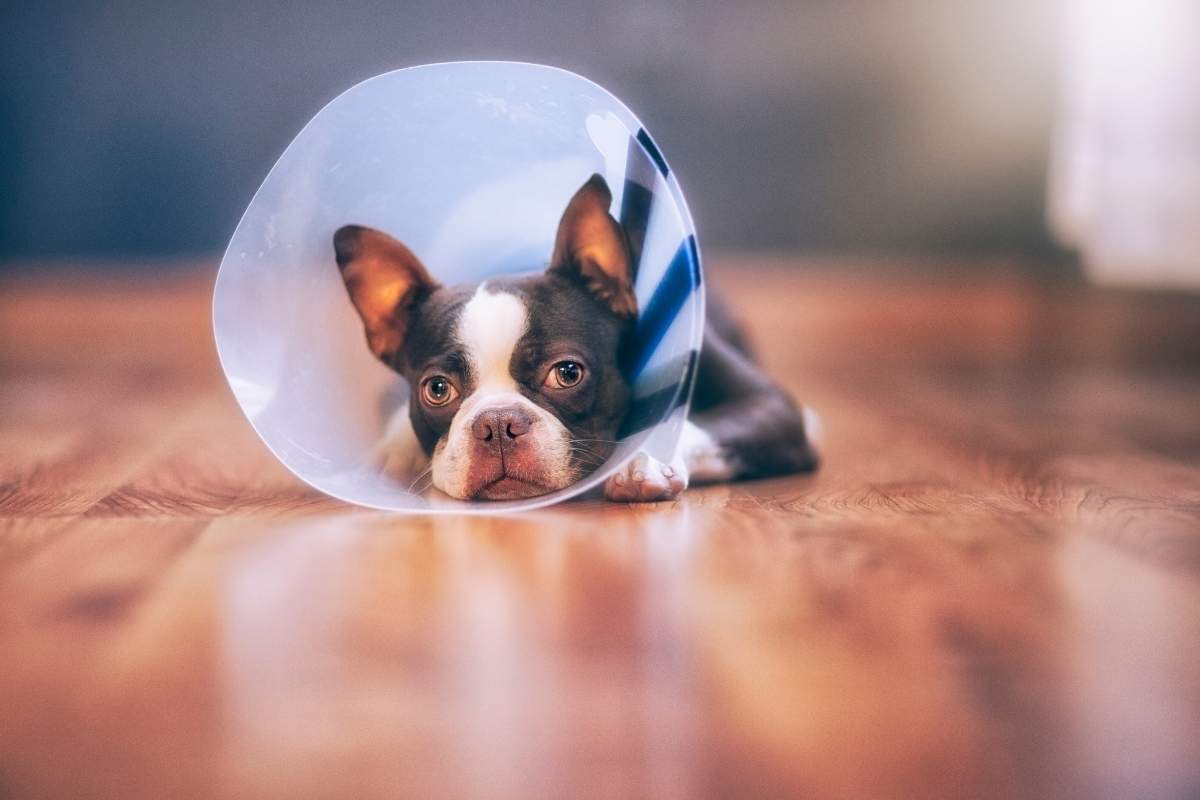
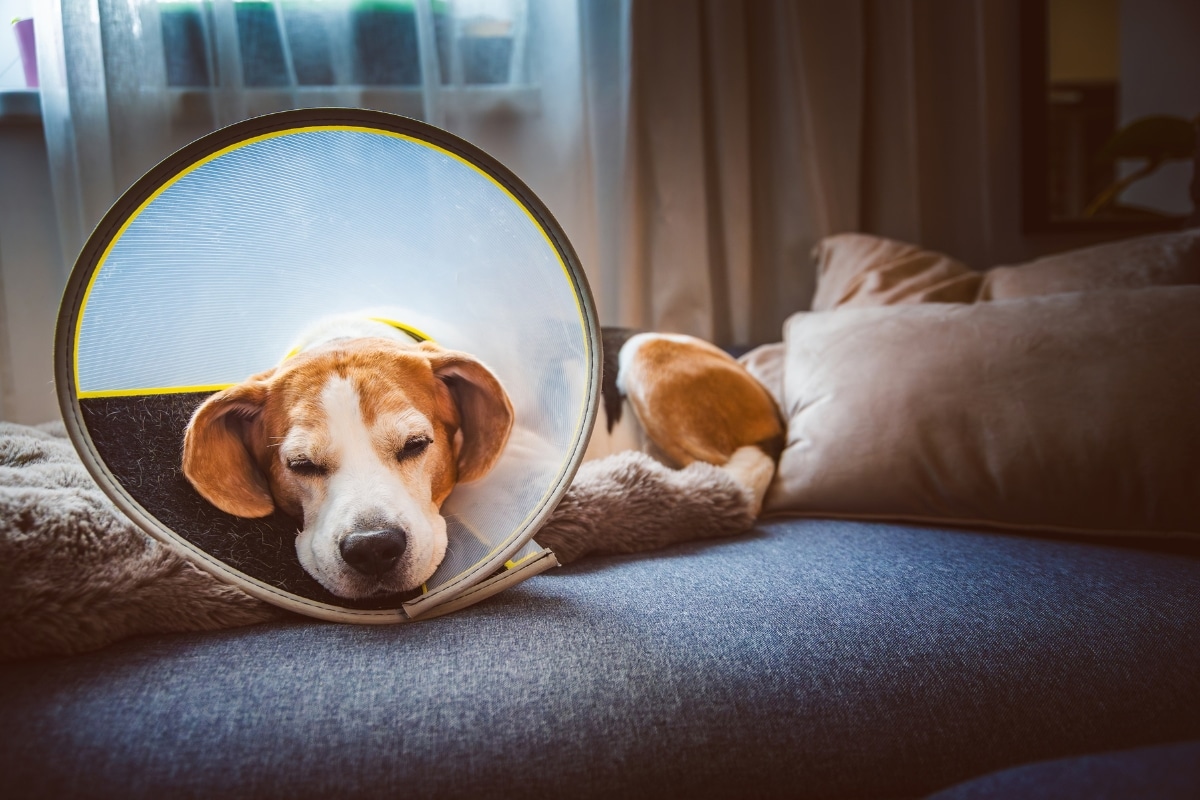
- Prevent licking with a veterinarian-recommended recovery collar.
- Give prescribed medications exactly as directed.
- Restrict exercise and provide controlled leash walks.
- Check the incision daily for redness, swelling, or discharge.
- Avoid bathing until your veterinarian approves.
Never give human pain medications without veterinary instructions. If you notice unusual symptoms during recovery, contact our veterinary practice.
When Should You Contact a Veterinarian After the Surgical Procedure?
Mild discomfort can occur after pet surgery, but certain symptoms require prompt veterinary attention.
Contact your veterinarian if your dog develops:
- Persistent bleeding or unusual incision discharge
- Increasing swelling or significant redness
- Repeated vomiting or prolonged refusal to eat
- Severe discomfort or unusual lethargy
- An open surgical incision
Difficulty breathing, collapse, or uncontrolled bleeding requires emergency veterinary attention.
Early evaluation can help prevent complications from becoming more serious.
Make an Informed Decision About Your Dog’s Surgical Care
Spaying and neutering offer important reproductive health benefits, but the right decision depends on your dog’s individual needs. Understanding surgical timing, possible complications, and recovery expectations helps you prepare for the procedure.
At our veterinary practice in Dunedin, we help pet owners make informed decisions about their dogs’ health. Our team can evaluate your pet, explain the available options, and guide you through the recovery process.
Considering spaying or neutering your dog? Contact Animal Hospital of Dunedin today to schedule a consultation. Our vets are ready to answer your questions and help you plan the next steps toward your dog’s long-term health.
Frequently Asked Questions
Q1. Is spaying more painful than neutering?
Ans. Spaying generally involves a more extensive abdominal procedure than routine male neutering. However, veterinarians provide appropriate pain management for both procedures.
Q2. Can spaying or neutering change my dog’s personality?
Ans. These procedures may reduce certain hormone-driven behaviors but generally do not change a dog’s fundamental personality.
Q3. Can older dogs undergo spaying or neutering?
Ans. Yes. Many older dogs can safely undergo surgery following appropriate health assessments. Existing medical conditions and anesthesia risks must be considered.
Q4. Where can I discuss dog spaying or neutering in Dunedin?
Ans. Animal Hospital of Dunedin can evaluate your dog’s health and discuss sterilization options, potential risks, and recovery requirements.
Q5. Does the Animal Hospital of Dunedin provide guidance before surgery?
Ans. Yes. Animal Hospital of Dunedin provides veterinary surgical care and guidance regarding preoperative evaluations, surgical preparation, and postoperative care.
Q6. How should I prepare my dog for surgery in Dunedin?
Ans. Animal Hospital of Dunedin can provide preparation instructions based on your dog’s procedure. Follow feeding and medication guidelines and prepare a quiet recovery area.