
Spaying and neutering are among the most common veterinary procedures performed, yet many pet owners are still unsure about their full benefits. At Animal Hospital of Dunedin, we understand that deciding to spay or neuter your pet is an important choice that affects their long-term health and well-being. These procedures not only prevent unwanted litters but also contribute to your pet’s overall quality of life.
Whether you have a puppy, kitten, or an adult pet, understanding the spay and neuter surgery benefits can help you make an informed decision. With proper veterinary care and guidance, pets experience fewer health risks, improved behavior, and a reduced chance of reproductive-related diseases, making it an essential aspect of responsible pet ownership, especially for families in Dunedin, FL.
What Is Spay and Neuter Surgery?
Spaying is the surgical removal of a female pet’s ovaries and uterus, while neutering refers to the removal of a male pet’s testicles. Both are routine procedures performed under anesthesia by experienced veterinarians in a safe and controlled environment. These surgeries are designed to prevent reproduction, but they also provide significant health and behavioral benefits.
Health Benefits of Spaying and Neutering
1. Prevention of Reproductive Diseases
Spaying eliminates the risk of uterine infections (pyometra) and significantly reduces the risk of breast tumors in female pets. Neutering prevents testicular cancer and decreases the risk of prostate disorders in males.
2. Increased Longevity
Research shows that spayed and neutered pets often live longer due to reduced risks of certain cancers, infections, and injuries associated with mating behaviors.
3. Reduced Risk of Unwanted Litters
Preventing accidental litters helps control the pet population and reduces the number of animals entering shelters, ultimately benefiting the wider community.
4. Behavioral Benefits
Neutered pets are often calmer and less prone to aggression, marking, or roaming. Female pets also avoid heat cycles, which can reduce stress and attract fewer unwanted attention from intact males.
5. Prevents Certain Health Complications
Spaying before the first heat cycle can drastically reduce the likelihood of mammary tumors. Neutering males before sexual maturity can prevent behaviors like urine marking, aggression, and roaming in search of mates.
What to Expect During the Procedure
Veterinary pet surgery at a reputable animal hospital like Animal Hospital of Dunedin includes:
- Pre-surgical examination and blood work to ensure your pet is healthy enough for anesthesia.
- Administration of anesthesia with monitoring throughout the procedure.
- Post-surgical pain management and supportive care to ensure comfort during recovery.
- Clear post-operative instructions for diet, activity restriction, and follow-up visits.
Recovery is generally smooth, and most pets resume normal activities within a week, with minimal discomfort.
Post-Surgery Care Tips
Proper post-operative care ensures a smooth recovery:
- Keep your pet in a quiet, comfortable space.
- Monitor the surgical site for swelling, redness, or discharge.
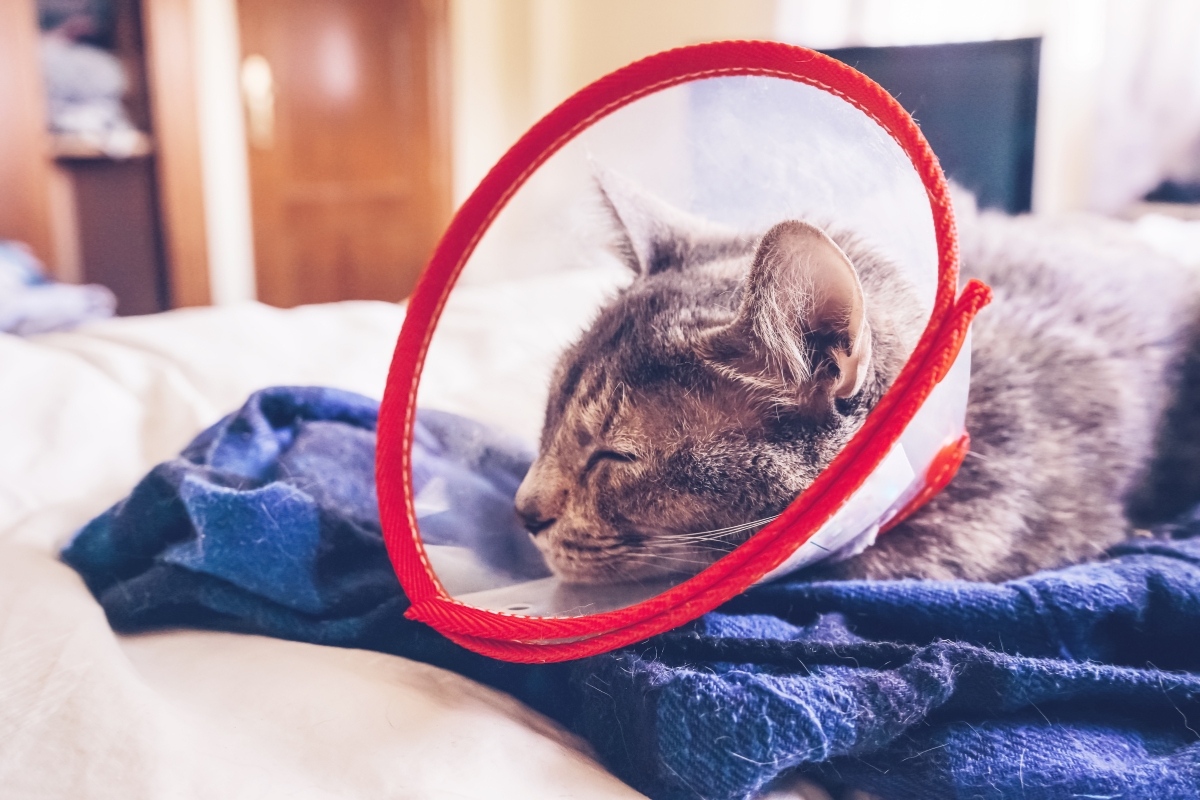
- Prevent excessive licking or chewing using an Elizabethan collar if necessary.
- Follow dietary recommendations provided by your veterinarian.
- Limit strenuous activity until your pet is cleared for normal movement.
Regular follow-ups help monitor healing and ensure that your pet remains healthy.
When Should You Spay or Neuter Your Pet?
The ideal age varies depending on breed, size, and health, but most veterinarians recommend:
- Small to medium dogs and cats: 6–9 months of age.
- Large breed dogs: 9–12 months to support proper joint development.
Your veterinarian can provide guidance based on your pet’s age, breed, and overall health.
Spaying and neutering provide a wide range of benefits, from improved health and longevity to better behavior and population control. Understanding these advantages helps pet owners make informed decisions about their pet’s care.
At Animal Hospital of Dunedin, we are committed to providing safe, compassionate, and effective veterinary pet surgery. If you have questions or want guidance about spaying or neutering your pet, schedule your appointment at Animal Hospital of Dunedin today.
For pet owners in Dunedin, FL, access to a trusted veterinary team ensures your pet receives the highest quality care throughout the spay or neuter process.
FAQs:
Q1. Is spaying or neutering safe for my pet?
Ans. Yes, these are routine procedures with minimal risk when performed by experienced veterinary teams.
Q2. Will my pet gain weight after surgery?
Ans. Some pets may experience reduced metabolism post-surgery. Managing diet and exercise prevents weight gain.
Q3. Can older pets be spayed or neutered?
Ans. Yes, adult pets can safely undergo the procedure with pre-surgical evaluation.
Q4. How long is the recovery?
Ans. Most pets recover fully within 7–10 days, though activity may need to be limited.
Q5. Will surgery change my pet’s personality?
Ans. Behavioral changes are usually positive, such as reduced aggression or roaming, without affecting their overall personality.
Q6. How does spaying/neutering prevent cancer?
Ans. Removing reproductive organs reduces the risk of certain cancers like testicular, ovarian, and mammary tumors.