Surgery can improve a pet’s health, mobility, and overall quality of life, but recovery does not end when your dog or cat returns home. The healing process requires close monitoring because certain complications can develop after surgery, sometimes without obvious symptoms at first. Recognizing warning signs early can help pet owners seek timely veterinary care and reduce the risk of more serious health concerns.
At Animal Hospital of Dunedin, veterinarians guide pet owners through post-surgical recovery by providing detailed aftercare instructions, pain management recommendations, and monitoring support. Understanding what is normal after surgery and what may indicate a complication can help owners feel more confident during recovery.
Most pets heal successfully after surgery, but factors such as age, activity level, underlying health conditions, and the type of procedure performed can influence recovery time. For pet owners in Dunedin, FL, learning the most common post-surgical complications and their warning signs can help support safer healing and faster intervention if concerns develop.
Why Post-Surgical Monitoring Matters
The first few days after surgery are often the most important for identifying recovery concerns. While mild grogginess, reduced appetite, and temporary discomfort may be expected, worsening symptoms should never be ignored.
Careful monitoring helps:
- Detect infections early
- Prevent incision damage
- Reduce pain and discomfort
- Identify medication reactions
- Support faster healing
Following discharge instructions closely can significantly improve recovery outcomes.
Common Post-Surgery Complications in Pets
Infection at the Surgical Site
Infections can develop when bacteria enter the incision area during healing.
Warning Signs Include:
- Redness around the incision
- Swelling or warmth
- Pus or discharge
- Foul odor
- Increased pain or sensitivity
Prompt treatment is important because untreated infections may spread and delay healing.
Excessive Swelling or Bleeding
Mild swelling near the incision may be normal initially, but excessive swelling or active bleeding should be evaluated by a veterinarian.
Signs to Watch For:
- Continuous bleeding
- Large swollen areas
- Bruising that worsens
- Blood-soaking bandages
Excessive bleeding may indicate internal complications or damage to healing tissues.
Incision Opening or Torn Stitches
Pets may lick, scratch, or chew at surgical sites, causing stitches to loosen or incisions to reopen.
Common Signs:
- Visible gaps in the incision
- Missing stitches
- Bleeding from the wound
- Skin separating around the incision
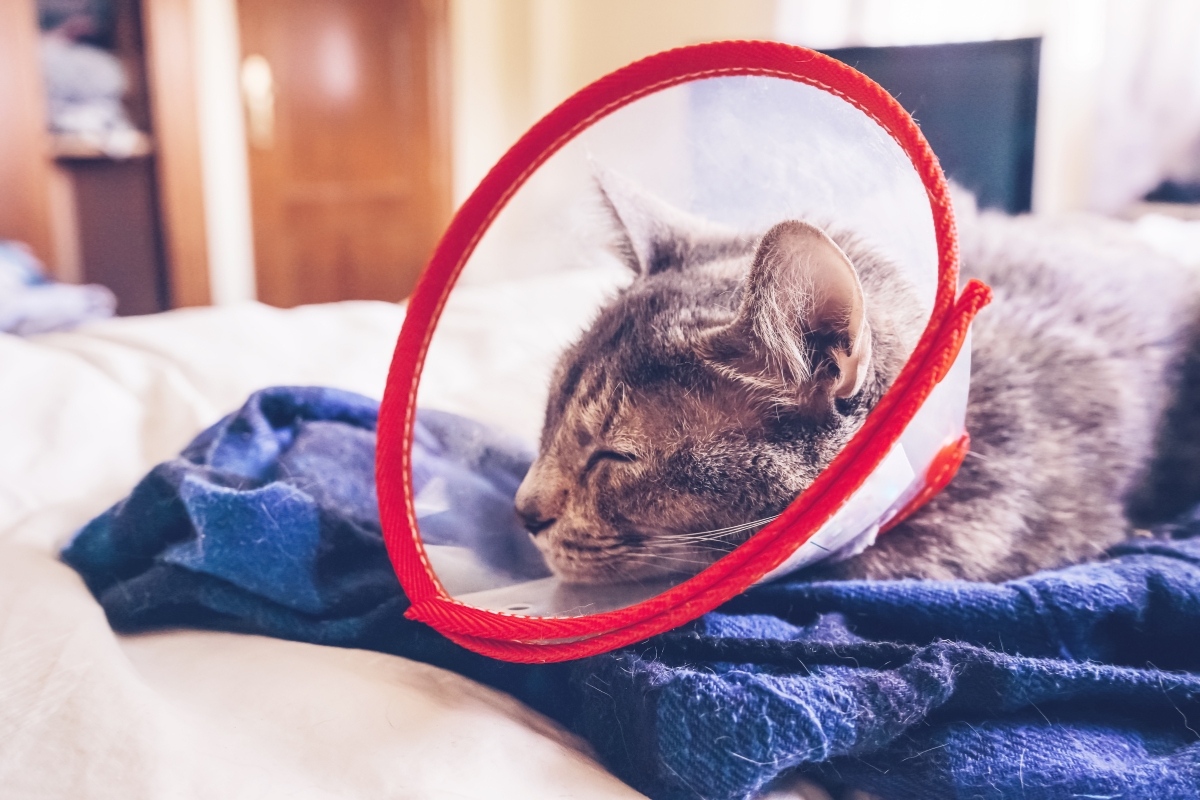
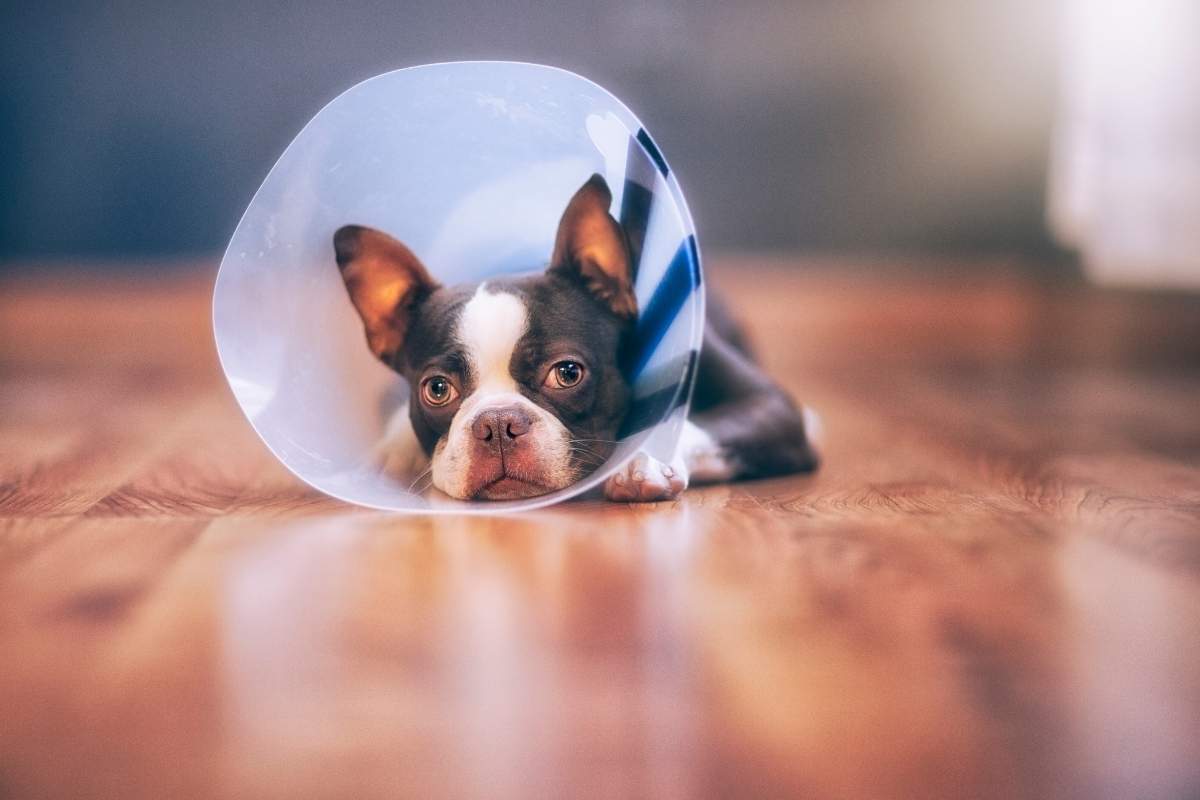
Elizabethan collars or recovery suits help reduce self-trauma during healing.
Loss of Appetite After Surgery
Some pets experience temporary appetite reduction after anesthesia, but prolonged refusal to eat may indicate pain, nausea, or complications.
Contact a Veterinarian If:
- Your pet refuses food for over 24 hours
- Vomiting develops repeatedly
- Your pet appears weak or dehydrated
Nutritional support is important for proper healing and recovery.
Vomiting or Diarrhea
Digestive upset may occur because of anesthesia, medications, or stress after surgery.
Warning Signs Include:
- Persistent vomiting
- Bloody diarrhea
- Severe lethargy
- Dehydration
These symptoms can become more serious if left untreated.
Difficulty Breathing
Breathing problems after surgery should always be treated as an emergency.
Symptoms May Include:
- Rapid breathing
- Persistent coughing
- Wheezing
- Pale or blue gums
- Open-mouth breathing in cats
Difficulty breathing may indicate medication reactions, infection, fluid accumulation, or cardiovascular complications.
Excessive Pain or Behavioral Changes
While mild discomfort is expected after surgery, severe pain or unusual behavior changes should not be ignored.
Possible Signs of Pain:
- Crying or whining
- Aggression when touched
- Restlessness
- Hiding
- Refusal to move
Pain management is an important part of recovery following veterinary surgery procedures.
Lethargy That Does Not Improve
Pets may appear sleepy for several hours after anesthesia, but prolonged lethargy could signal complications.
Seek Veterinary Care If:
- Your pet cannot stand comfortably
- Weakness worsens
- Your pet becomes unresponsive
- Normal energy levels do not gradually improve
Monitoring behavior closely helps identify changes that require attention.
How Pet Owners Can Support Recovery
Following post-operative instructions carefully helps reduce the risk of complications.
Important Recovery Tips:
- Restrict running and jumping
- Administer medications exactly as prescribed
- Prevent licking or chewing of the incision
- Keep bedding clean and comfortable
- Monitor eating, drinking, and bathroom habits
Routine follow-up visits also allow veterinarians to evaluate healing progress after veterinary surgery and adjust recovery plans if necessary.
When to Contact a Veterinarian Immediately
Pet owners should seek prompt veterinary attention if they notice:
- Difficulty breathing
- Severe swelling or bleeding
- Persistent vomiting or diarrhea
- Fever
- Open incisions or missing stitches
- Refusal to eat for more than 24 hours
- Sudden collapse or extreme weakness
Quick intervention often prevents more serious complications and improves recovery outcomes.
Helping Pets Recover Safely After Surgery
Post-surgical recovery requires patience, consistency, and close observation. Understanding the warning signs of complications can help pet owners respond quickly if concerns develop and support safer healing throughout recovery.
If you’re in Dunedin, FL, and need guidance from a veterinarian near you on post-surgical recovery care, Animal Hospital of Dunedin provides surgical evaluations, recovery monitoring, pain management, and personalized aftercare support for dogs and cats. Our team can help answer questions, monitor healing progress, and provide recommendations tailored to your pet’s recovery needs. Schedule your appointment today to help support your pet’s comfort, healing, and long-term wellness.
FAQs
Q1. How long does it take pets to recover after surgery?
Ans. Recovery time depends on the procedure, age, and overall health of the pet. Many pets recover within 10 to 14 days, while more complex surgeries may require longer healing periods.
Q2. Is swelling around the incision normal after surgery?
Ans. Mild swelling can occur during early healing, but excessive swelling, heat, discharge, or worsening redness should be evaluated by a veterinarian promptly.
Q3. Why is my pet not eating after surgery?
Ans. Temporary appetite loss may occur after anesthesia, but pets refusing food for more than 24 hours may need veterinary evaluation for pain or complications.
Q4. Should my pet wear a cone after surgery?
Ans. Yes. Recovery collars help prevent licking or chewing that could reopen incisions, damage stitches, or increase the risk of infection during healing.
Q5. When should I worry about my pet’s pain after surgery?
Ans. Persistent crying, hiding, aggression, difficulty moving, or worsening discomfort may indicate uncontrolled pain or complications requiring veterinary attention.
Q6. What signs indicate a surgical emergency in pets?
Ans. Difficulty breathing, severe bleeding, open incisions, collapse, repeated vomiting, or extreme weakness require immediate veterinary care after surgery.