

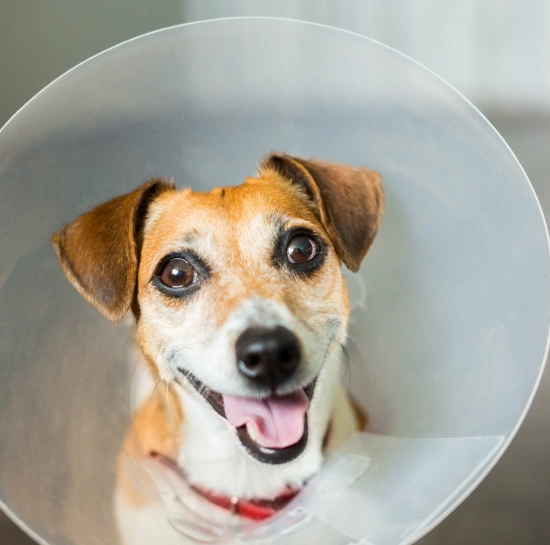
Modern Surgical Care for Pets
Our team at Animal Hospital of Dunedin understands that surgical procedures can be a scary and stressful time for you and your pet. We want you to know that we’re here for you every step of the way, and prioritize your pet’s safety and comfort, as well as your peace of mind. For years, we have provided in-house surgical procedures using best-in-class facilities, methods, and expertise even for the most routine procedure. You can be assured our team will give your pet the highest level of care and pain management.
General & Advanced Surgery
Surgical procedures are a cause for concern for many pet owners. We completely understand. At Animal Hospital of Dunedin, we strive to put our clients’ minds at ease by providing their pets with best-in-class veterinary surgical care and open client communication every step of the way – before, during, and after the procedure.
- Before surgery, a pre-operative appointment will be scheduled. No food is to be fed after midnight the night before surgery, but water is fine until you drop your pet off. You can expect to go over your options with your veterinarian and discuss the details of the procedure, such as what the recovery process will be like. We will also run a pre-surgical blood panel to ensure your pet is healthy enough for sedation. During the pre-operative appointment, we encourage you to ask any and all questions you may have about your pet’s upcoming procedure. As your veterinarian, we are committed to caring for your pet, as well as putting your mind and concerns at bay.
- During surgery, a trained veterinary technician will keep a close eye on your pet’s vitals while your veterinarian performs the procedure. You can also count on this staff member having received extensive training in pain management techniques.
- After surgery, we will give you a call to let you know that your pet is out of surgery and stable in recovery. Our clinical team will continue to keep a close eye on your pet’s vitals and pain. At pick up, we’ll go over detailed post-operative care instructions with you. In some cases, pets can go home the same day, and in other instances it may be in the pet’s best interest to spend a night at the hospital.
The clinical team at Animal Hospital of Dunedin are highly experienced in a variety of general and advanced surgical procedures.
If your pet is in need of specialized care, we can refer you to an expert veterinary surgeon. We’ll remain in contact with the surgeon and receive updates along the way on your pet’s condition and progress. Once your pet is better, routine veterinary care can always continue with the team at Animal Hospital of Dunedin.

Spay/Neuter Procedure
There are several preventative wellness services that are recommended for all patients we see. The spay/neuter procedure is one of these services.
Spaying is performed on female pets and neutering is performed on male pets. Both procedures refer to the surgical removal of the reproductive organs.
Our team of experienced doctors and trained veterinary technicians work together to make sure our patients are safe and comfortable with a successful surgical outcomes. We do so by following strict surgical protocols before, during, and after the procedure, including:
- Pre-Surgical Blood Panel
- Carefully Dosed Anesthesia
- IV Fluids
- Advanced Surgical Equipment
- Continuous Monitoring of Vitals
- Seamless Pain Management
In instances of responsible breeding, unique medical cases, or pets seven years of age or older, we understand that the spay/neuter procedure may not be the right choice for that particular pet. We encourage you to discuss your pet’s options and reproductive care with your veterinarian.
If you have any questions at all about the spay/neuter procedure, we encourage you to start a conversation with your veterinarian.
The choice to spay or neuter your pet benefits your pet, you as a pet owner, and the local community as well.
- For pets, the spay/neuter procedure offers profound health benefits that will contribute to an improved quality of life and longer lifespan.
- For pets and pet owners, the spay/neuter procedure supports better behavior in pets – something all pet owners want!
- For the local community, the spay/neuter procedure helps to control the problem of pet overpopulation and supports local animal rescues who work so hard to help homeless pets get rescued, all with limited space and resources at the shelters.
Health & Behavioral Benefits of the Spay/Neuter Procedure
The spay/neuter procedure effectively prevents life-threatening diseases, corrects problem behaviors, and rules out unwanted litters. Ultimately, by ruling out breeding-instinct related behaviors, your pet will be happier at home with a temperament that is more affectionate, obedient, and loyal to your family.
Pain Management
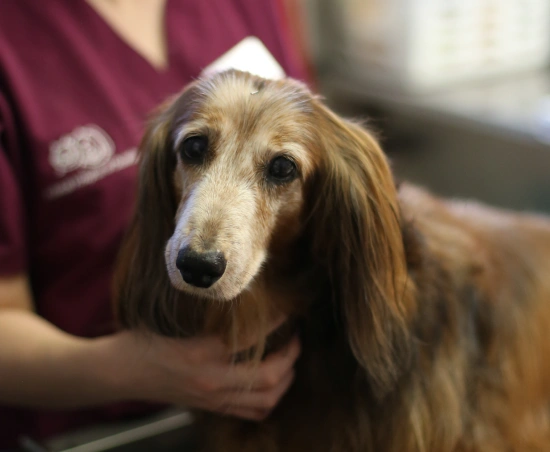
The management of acute and chronic pain in patients is at the heart of compassionate veterinary medical care. At the Animal Hospital of Dunedin, we partner with you to help prevent, manage, and eliminate pain in your pet, all in an effort to give them the quality of life they deserve.
The two main categories of pain include acute pain and chronic pain. Each category affects pets in different ways, and dictates the pain management approach our experienced clinical team will take.
- Acute Pain is oftentimes brought about as a result of trauma, injury, or post-operative recovery. Acute pain can be described as sharp and sudden, and can typically be resolved in a few days.
- Chronic Pain is oftentimes brought about as a result of chronic conditions, such as cancer, diabetes, and arthritis. In these cases, the pain may only be able to be managed, not cured. We will work with you to reduce your pet’s pain to an all-time low, and manage it accordingly with a variety of potential treatments, such as acupuncture treatment, herbal therapy, dietary modifications, supplements, and more.
Pain can take many shapes and forms. Over time, pain can have an effect on not only your pet’s physical functioning, but also their psychological and emotional wellbeing. Physiologically, this can set back healing progress and contribute to worsening symptoms. That’s why it’s critical to address and relieve the source of the pain without delay.
When possible, pain is managed preemptively with pain medication. Typically, these cases involve surgeries, advanced treatments, and certain chronic pain conditions. Medication can be modified throughout the recovery process.
To follow is a list of common signs of pain in pets. If you observe any of the following at home, please schedule a visit with your veterinarian right away.
- Crying, whining, or howling
- Not wanting to be handled or seeking more affection than usual
- Hiding
- Decreased appetite
- Uncharacteristic aggression and/or irritability
- Decreased grooming or not grooming
- Diarrhea or constipation
- Shaking and/or trembling
- Lethargy
- Not moving from one area
- Restlessness
- Protecting the affected body part
- Vacant and glassy-eyed