If you’ve noticed your cat breathing faster than usual, it’s natural to feel concerned. While occasional rapid breathing can happen after play or stress, persistent or unexplained changes in your cat’s breathing may indicate an underlying health issue. At the Animal Hospital of Dunedin, we often see pet owners unsure whether fast breathing is normal or a sign of something serious. Understanding the difference can help you act quickly and protect your cat’s health.
What Is Normal Breathing for Cats?
A healthy, relaxed cat typically takes 20–30 breaths per minute while resting. You can count this by watching the rise and fall of their chest. If your cat is breathing more than 40 breaths per minute at rest, it’s considered elevated and should be monitored closely.
Temporary increases may happen due to:
- Exercise or play
- Stress or anxiety
- Warm environments
However, if rapid breathing occurs without a clear reason or doesn’t settle down, it may be a warning sign.
Common Causes of Fast Breathing in Cats
Fast breathing, also known as tachypnea, can result from a range of conditions. Some are mild, while others require urgent care.
1. Respiratory Infections
Upper respiratory infections can cause congestion, inflammation, and difficulty breathing. These are often accompanied by sneezing, nasal discharge, or watery eyes.
2. Heart Disease
Conditions like cardiomyopathy can lead to fluid buildup in or around the lungs, making it harder for your cat to breathe normally.
3. Asthma
Feline asthma causes airway inflammation and can result in wheezing, coughing, and rapid breathing episodes.
4. Pain or Stress
Cats in pain may breathe faster even if there are no visible injuries. Stressful situations can also temporarily elevate breathing rates.
5. Heatstroke
Cats exposed to high temperatures may pant or breathe rapidly to regulate body temperature. This is a medical emergency.
6. Trauma or Injury
Injuries to the chest or lungs can impair breathing and require immediate attention.
Top Signs It Could Be Serious
While occasional fast breathing may not be alarming, certain symptoms indicate a more serious issue. Seek veterinary care if you notice:
- Open-mouth breathing or panting
- Blue or pale gums
- Lethargy or weakness
- Loss of appetite
- Persistent coughing or wheezing
- Difficulty lying down comfortably
- Breathing that remains rapid even at rest
These signs may point to oxygen deprivation or underlying disease and should not be ignored.
What to Do If Your Cat Is Breathing Fast
If your cat shows rapid breathing, here are the steps you should take:
1. Stay Calm and Observe
Check your cat’s breathing rate and note any additional symptoms. Avoid stressing your cat further.
2. Move to a Comfortable Environment
Ensure your cat is in a cool, quiet, and well-ventilated space.
3. Limit Activity
Encourage rest and avoid handling your cat excessively unless necessary.
4. Monitor Closely
If breathing doesn’t return to normal within a short period or worsens, seek professional help immediately.
5. Contact a Professional
Fast breathing can escalate quickly. It’s best to consult a veterinary professional who can assess the underlying cause and provide appropriate treatment.
Diagnosis and Treatment
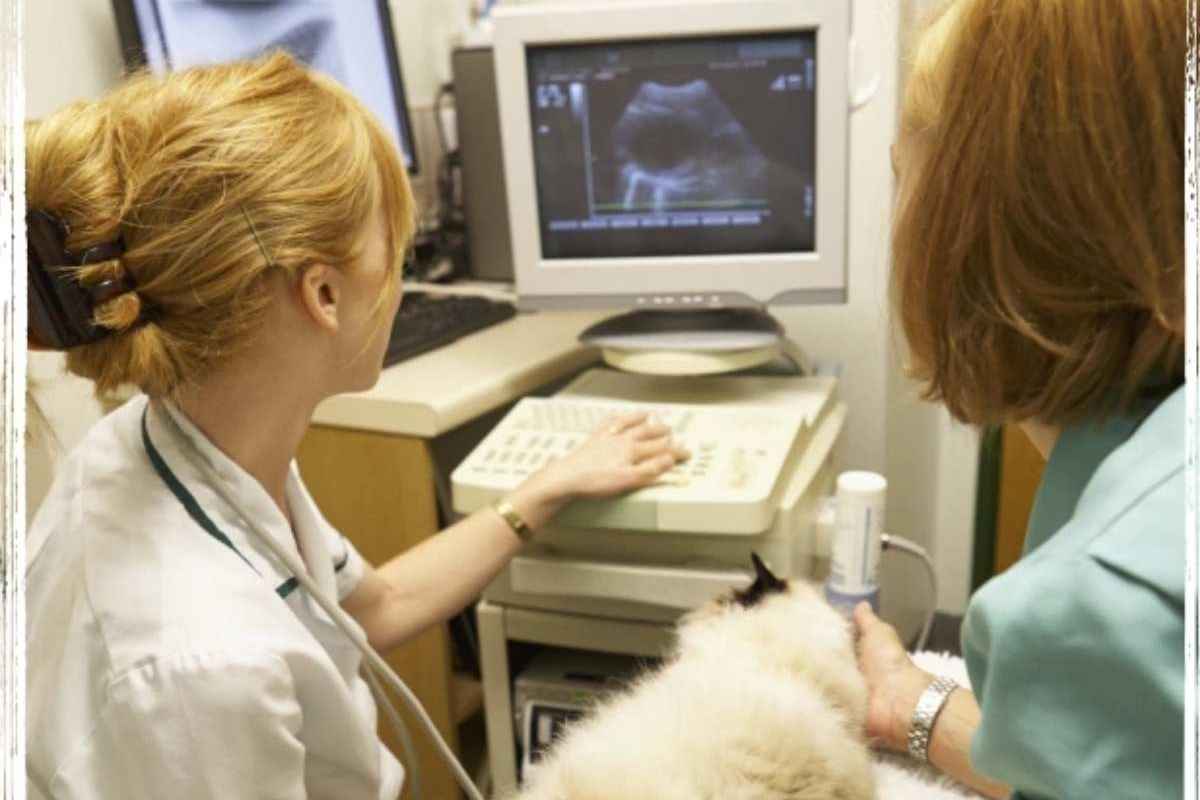
A veterinary evaluation is essential to determine the cause of rapid breathing. Your vet may perform:
- Physical examination
- Chest X-rays
- Blood tests
- Oxygen level assessment
Treatment depends on the diagnosis and may include medications, oxygen therapy, or other supportive care. Early intervention often leads to better outcomes.
Prevention Tips for Cat Owners
While not all causes of rapid breathing are preventable, you can reduce risks by:
- Keeping your cat indoors in extreme heat
- Scheduling regular health check-ups
- Maintaining a stress-free environment
- Monitoring changes in behavior or breathing patterns
Being proactive helps catch potential issues before they become serious.
When to Seek Immediate Help
If your pet is showing unusual symptoms or requires routine health screening, professional evaluation is essential. Schedule your appointment with Belton Animal Clinic & Exotic Care Center to ensure your pet receives an accurate diagnosis and compassionate care.
FAQs
Q1. How can I tell if my cat’s breathing is too fast?
Ans. Count their breaths while they are resting. More than 40 breaths per minute is considered high and should be monitored.
Q2. Is it normal for cats to breathe fast while sleeping?
Ans. Slight variations can occur, but consistently rapid breathing during sleep is not normal and may indicate a problem.
Q3. Can stress cause fast breathing in cats?
Ans. Yes, stress or anxiety can temporarily increase breathing rate, but it should return to normal once your cat calms down.
Q4. Should I take my cat to the vet immediately?
Ans. If rapid breathing is persistent, accompanied by other symptoms, or occurs at rest, seek veterinary care right away.
Q5. Can asthma cause fast breathing in cats?
Ans. Yes, feline asthma can lead to rapid or labored breathing, often along with coughing or wheezing.
Q6. What should I do in an emergency?
Ans. Keep your cat calm, avoid handling too much, and seek immediate veterinary assistance.