
Veterinary medicine has made incredible strides over the past few decades, offering pet owners more tools than ever to ensure the health and well-being of their furry companions. Advanced diagnostics and treatment options now allow veterinarians to detect illnesses earlier, manage complex conditions, and provide personalized care plans tailored to each pet’s unique needs. At Animal Hospital of Dunedin, we understand how important it is to access cutting-edge medical care for your pets. Our team is dedicated to using modern diagnostic tools and treatment protocols to support long-term health and quality of life.
Whether your pet is showing early signs of illness or requires routine monitoring, knowing the available diagnostic options can help you make informed decisions. With the right approach to pet diagnostic care and treatment, pets can receive timely interventions that improve outcomes and overall well-being, especially for pet owners in Dunedin, FL.
What Are Advanced Diagnostics in Veterinary Medicine?
Advanced diagnostics refer to modern testing methods and imaging technologies that help veterinarians understand a pet’s health beyond a basic physical exam. These tools are critical for detecting disease at its earliest stages, planning treatment, and monitoring recovery.
Common advanced diagnostic tools include:
- Digital Radiography (X-Rays): Provides high-resolution images of bones, organs, and tissues to detect fractures, tumors, or internal abnormalities.
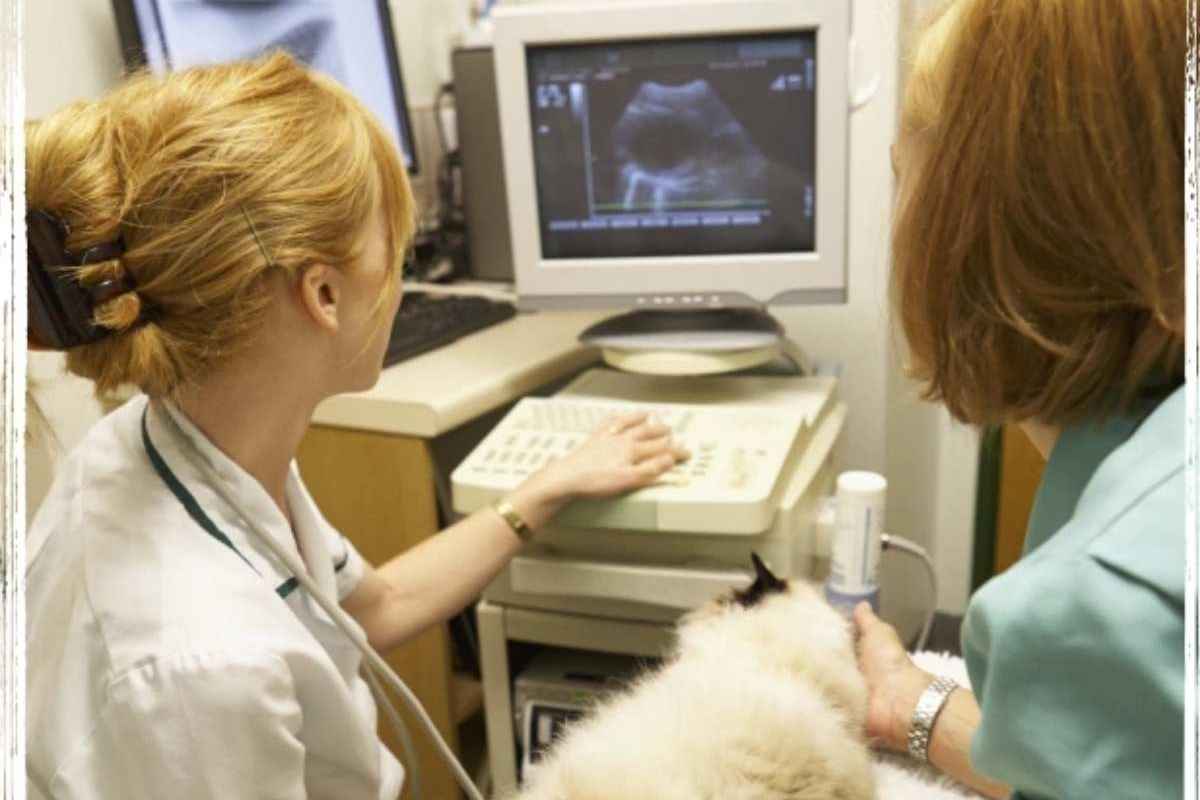
- Ultrasound Imaging: Allows veterinarians to view soft tissue structures, monitor organ function, and guide procedures like biopsies.
- Blood Panels & Chemistry Profiles: Comprehensive blood tests help identify infections, organ dysfunction, or metabolic imbalances.
- Urinalysis: Detects urinary tract issues, kidney disease, and other internal problems.
- Endoscopy: A minimally invasive method to examine internal organs, take tissue samples, or remove foreign objects.
- Advanced Laboratory Testing: Genetic screening, hormone testing, and other specialized diagnostics for complex conditions.
Benefits of Advanced Diagnostics for Pets
Using advanced diagnostics has several advantages for both pets and their owners:
- Early Detection of Disease: Identifying conditions before symptoms become severe can dramatically improve treatment outcomes.
- Tailored Treatment Plans: Specific diagnostics allow veterinarians to design care plans suited to your pet’s exact needs.
- Less Invasive Procedures: Techniques like ultrasound or endoscopy reduce the need for exploratory surgery.
- Monitoring Chronic Conditions: Pets with ongoing health issues, such as diabetes or kidney disease, can be monitored more precisely.
- Peace of Mind for Pet Owners: Knowing your pet’s health status provides reassurance and helps prevent complications.
Common Treatment Options in Modern Veterinary Care
Once a diagnosis is made, treatment options are tailored to the pet’s condition, severity, and lifestyle. Modern veterinary treatments include:
1. Medications and Supplements
Prescription medications, pain management solutions, and nutritional supplements can manage chronic disease and improve quality of life.
2. Surgery and Minimally Invasive Procedures
From spay/neuter surgeries to orthopedic or soft tissue surgeries, minimally invasive techniques reduce recovery times and discomfort.
3. Laser Therapy and Rehabilitation
Laser therapy, physical therapy, and hydrotherapy are increasingly used to support recovery from injuries or chronic conditions like arthritis.
4. Advanced Nutritional Management
Veterinarians can recommend diets that support specific health needs, including kidney function, liver health, or weight management.
5. Ongoing Monitoring and Preventive Care
Regular check-ups combined with advanced diagnostics help prevent disease progression and allow early intervention.
When Should You Seek Advanced Pet Diagnostic Care?
Advanced diagnostics are particularly helpful in situations such as:
- Unexplained weight loss, vomiting, or diarrhea
- Lethargy or changes in activity level
- Signs of pain, swelling, or mobility issues
- Chronic conditions requiring monitoring
- Sudden behavioral changes or unusual symptoms
For pet owners in Dunedin, FL, access to a trusted animal hospital ensures that pets receive timely, comprehensive evaluations and care.
Modern veterinary medicine offers a wealth of diagnostic tools and treatment options designed to keep pets healthy and thriving. Early detection, precise treatment plans, and ongoing monitoring are the keys to managing both routine and complex conditions effectively.
At Animal Hospital of Dunedin, our team is committed to using advanced diagnostics to provide comprehensive care for every pet. If you have concerns or questions about your pet’s health, contact us at Animal Hospital of Dunedin for professional guidance and support.
For pet owners in Dunedin, FL, access to a trusted veterinary hospital ensures that your pets receive the highest standard of care and early interventions when needed.
FAQs:
Q1. What types of conditions benefit from advanced diagnostics?
Ans. Chronic illnesses, organ dysfunction, internal injuries, tumors, and metabolic disorders often require advanced testing.
Q2. Are advanced diagnostic procedures safe for pets?
Ans. Yes, most procedures are minimally invasive, and veterinarians take precautions to ensure safety and comfort.
Q3. How long does it take to get results?
Ans. Some results, such as blood tests, can be available within hours, while imaging or specialized labs may take longer.
Q4. Does advanced diagnostics mean my pet will need surgery?
Ans. Not necessarily. Many conditions can be managed medically or with minimally invasive treatments.
Q5. How often should pets undergo advanced diagnostic testing?
Ans. Frequency depends on age, health status, and risk factors. Your veterinarian can recommend a schedule tailored to your pet.
Q6. Will insurance cover advanced diagnostics?
Ans. Many pet insurance plans cover diagnostic testing, but coverage varies. Check your policy for details.