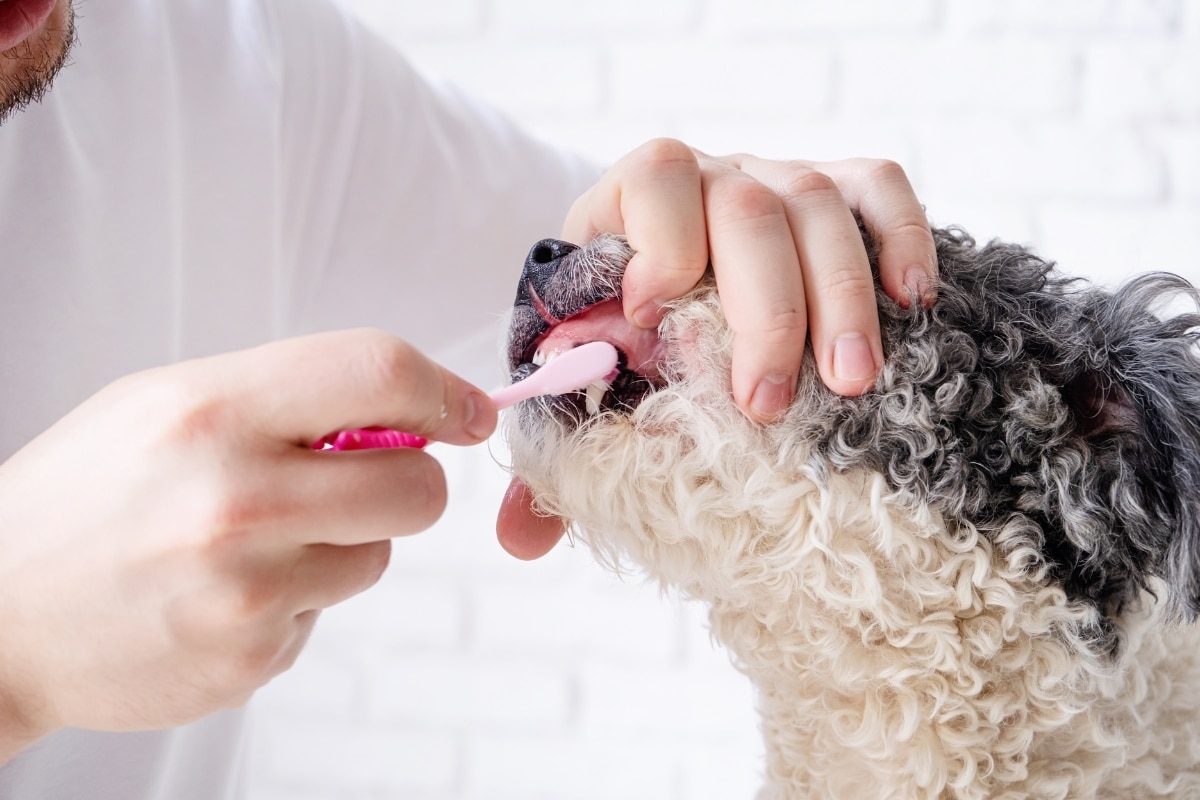

Just like children, puppies and kittens lose their baby teeth as their adult teeth grow in. However, sometimes baby teeth fail to fall out when they should, leading to a condition known as retained baby teeth. At the same time, it may seem like a minor issue, but retained teeth can contribute to dental problems and oral discomfort if left untreated.
This comprehensive guide explains what retained baby teeth are, why they occur, potential complications, treatment options, and how pet owners can support their pet’s dental health during this important stage of development.
What Are Retained Baby Teeth?
Retained baby teeth occur when a deciduous tooth remains in place after the corresponding adult tooth has erupted.
Normally, the roots of baby teeth dissolve as adult teeth develop underneath. Once the roots are absorbed, the baby teeth loosen and fall out naturally.
When this process does not occur properly, both the baby tooth and adult tooth may occupy the same space in the mouth.
When Do Pets Normally Lose Baby Teeth?
Most puppies and kittens begin losing their baby teeth at a young age.
Typical timelines include:
Puppies
- Baby teeth begin falling out around 3 to 4 months of age
- Adult teeth usually finish erupting by 6 to 7 months
Kittens
- Baby teeth begin falling out around 3 to 4 months of age
- Adult teeth are generally present by 6 to 7 months
If a baby tooth remains after the adult tooth has emerged, it may be considered retained.
Which Teeth Are Most Commonly Retained?
Although any baby tooth can be retained, some are more commonly affected.
These include:
- Upper canine teeth
- Lower canine teeth
- Incisor teeth
Canine teeth are particularly prone to retention because of their long roots and position within the mouth.
Why Do Retained Baby Teeth Occur?
The exact cause is not always clear, but several factors may contribute.
Potential causes include:
- Genetic predisposition
- Improper root resorption
- Abnormal tooth eruption patterns
- Breed-related factors
Small-breed dogs are more likely to have retained baby teeth than larger breeds.
Signs of Retained Baby Teeth
Pet owners may notice visible changes in the mouth as adult teeth emerge.
Common signs include:
- Two teeth occupying the same space
- Crowded teeth
- Misaligned teeth
- Difficulty chewing
- Food becomes trapped between teeth
- Increased plaque buildup
Some pets may not show obvious symptoms, making routine dental care important.
Why Retained Baby Teeth Can Be a Problem
Retained teeth are more than a cosmetic concern.
They can contribute to several oral health issues.
Crowding and Misalignment
When both baby and adult teeth are present, normal alignment may be disrupted.
This can lead to:
- Bite abnormalities
- Crowded teeth
- Improper jaw positioning
Increased Plaque and Tartar Accumulation
Extra teeth create additional spaces where food particles and bacteria can become trapped.
This may increase the risk of:
- Plaque buildup
- Tartar accumulation
- Gum disease
Periodontal Disease
Retained teeth can create areas that are difficult to clean effectively.
Over time, this may contribute to periodontal disease and oral discomfort.
Damage to Adult Teeth
In some cases, retained baby teeth can interfere with the proper positioning and development of permanent teeth.
How Retained Baby Teeth Are Diagnosed
Diagnosis typically involves a thorough oral examination.
Your veterinary team may evaluate:
- Tooth alignment
- Tooth eruption patterns
- Gum health
- Overall oral development
Dental radiographs may also be recommended to assess tooth roots and surrounding structures.
During a routine dental evaluation, a veterinarian can determine whether retained teeth are affecting your pet’s oral health and recommend appropriate treatment.
Treatment Options for Retained Baby Teeth
Treatment depends on the severity of the condition and the specific teeth involved.
Monitoring
In rare situations, a tooth may still fall out naturally if the pet is very young.
Close monitoring may be recommended initially.
Extraction
Extraction is the most common treatment for retained baby teeth.
Removing the retained tooth helps:
- Create space for adult teeth
- Improve alignment
- Reduce plaque accumulation
- Prevent future dental problems
Extraction is typically performed under anesthesia to ensure comfort and safety.
What Happens During a Tooth Extraction?
The procedure generally involves:
- An oral examination
- Anesthesia administration
- Careful removal of the retained tooth
- Evaluation of surrounding structures
- Post-procedure recovery monitoring
Most pets recover quickly and experience minimal disruption to their normal routines.
Recovery After Extraction
Following extraction, pets may need:
- Soft food for a short period
- Pain management medications
- Limited chewing activities
- Follow-up evaluations
Most pets heal rapidly and return to normal behavior within a few days.
Can Retained Baby Teeth Be Prevented?
Because genetics often plays a role, complete prevention is not always possible.
However, early detection can significantly reduce the risk of complications.
Helpful strategies include:
- Monitoring tooth development
- Scheduling routine wellness visits
- Performing regular oral checks at home
- Seeking evaluation if adult teeth erupt while baby teeth remain
The Importance of Early Dental Care
Good dental health begins early in life.
Routine dental monitoring helps identify:
- Retained teeth
- Bite abnormalities
- Gum disease
- Other developing oral health concerns
Addressing issues promptly can help support healthy teeth and gums throughout your pet’s life.
Healthy Smiles Start with Early Attention
Retained baby teeth are a common dental issue in puppies and kittens, but they should not be ignored. Early identification and treatment can help prevent crowding, periodontal disease, and long-term dental complications. Monitoring your pet’s oral development and scheduling regular dental evaluations can help ensure a healthy, comfortable smile for years to come.
For professional pet dental exam services in Dunedin, book an appointment with Animal Hospital of Dunedin. Our team is dedicated to protecting your pet’s oral health through every stage of life.
FAQs
Q1: What are retained baby teeth in pets?
Ans. Retained baby teeth occur when a deciduous tooth remains in place after the adult tooth has erupted.
Q2: Are retained baby teeth common in dogs?
Ans. Yes. Retained baby teeth are relatively common, especially in small-breed dogs.
Q3: Do retained baby teeth need to be removed?
Ans. In many cases, removal is recommended to prevent crowding, periodontal disease, and alignment issues.
Q4: At what age should baby teeth fall out in puppies?
Ans. Most puppies lose their baby teeth between 3 and 6 months of age, with adult teeth usually fully erupted by about 7 months.
Q5: Can retained baby teeth cause dental disease?
Ans. Yes. Retained teeth can increase plaque accumulation, gum inflammation, and the risk of periodontal disease if left untreated.