As dogs age, their nutritional needs change, making diet one of the most important factors in maintaining their health and quality of life. Feeding your senior dog the right balance of nutrients can support mobility, improve energy levels, and help manage age-related conditions. At Animal Hospital of Dunedin, veterinarians work closely with pet owners to create tailored nutrition plans that meet the unique needs of aging dogs. This guide is designed to help all dog owners make informed decisions about feeding their senior pets, regardless of location.
When Is a Dog Considered a Senior?
The age at which a dog is considered “senior” can vary based on breed and size:
- Small breeds: around 10 – 12 years
- Medium breeds: around 8 – 10 years
- Large breeds: around 6 – 8 years
As dogs enter their senior years, their metabolism slows down, and they may become less active, requiring dietary adjustments.
Key Nutritional Needs for Senior Dogs
A well-balanced diet for senior dogs focuses on supporting overall health while addressing age-related changes.
1. High-Quality Protein
Protein helps maintain muscle mass, which can decline with age. Look for easily digestible protein sources.
2. Controlled Calories
Senior dogs often need fewer calories due to reduced activity levels. Managing calorie intake helps prevent obesity.
3. Healthy Fats
Omega-3 fatty acids support joint health, brain function, and skin condition.
4. Fiber for Digestive Health
Fiber helps regulate digestion and prevent constipation.
5. Essential Vitamins and Minerals
Antioxidants and nutrients support immune health and help combat age-related issues.
Choosing the Right Type of Food
There are several options available when selecting food for your senior dog:
Dry Food (Kibble)
Convenient and cost-effective, with formulas specifically designed for senior dogs.
Wet Food
Easier to chew and often more palatable, especially for dogs with dental issues.
Fresh or Home-Cooked Diets
These can be beneficial when properly balanced, but should always be prepared under veterinary guidance.
Special Dietary Considerations
Senior dogs may develop health conditions that require specific dietary adjustments:
- Joint issues: Diets enriched with glucosamine and chondroitin
- Kidney disease: Reduced protein and phosphorus levels
- Heart conditions: Low-sodium diets
- Weight management: Lower-calorie, high-fiber foods
Consulting with a veterinarian ensures your dog receives the right nutrients for their condition.
Signs Your Senior Dog May Need a Diet Change
Pay attention to changes in your dog’s behavior or physical condition, such as:
- Weight gain or loss
- Decreased energy levels
- Digestive issues
- Changes in appetite
- Dull coat or dry skin
These signs may indicate that it’s time to adjust your dog’s diet.
The Importance of Portion Control
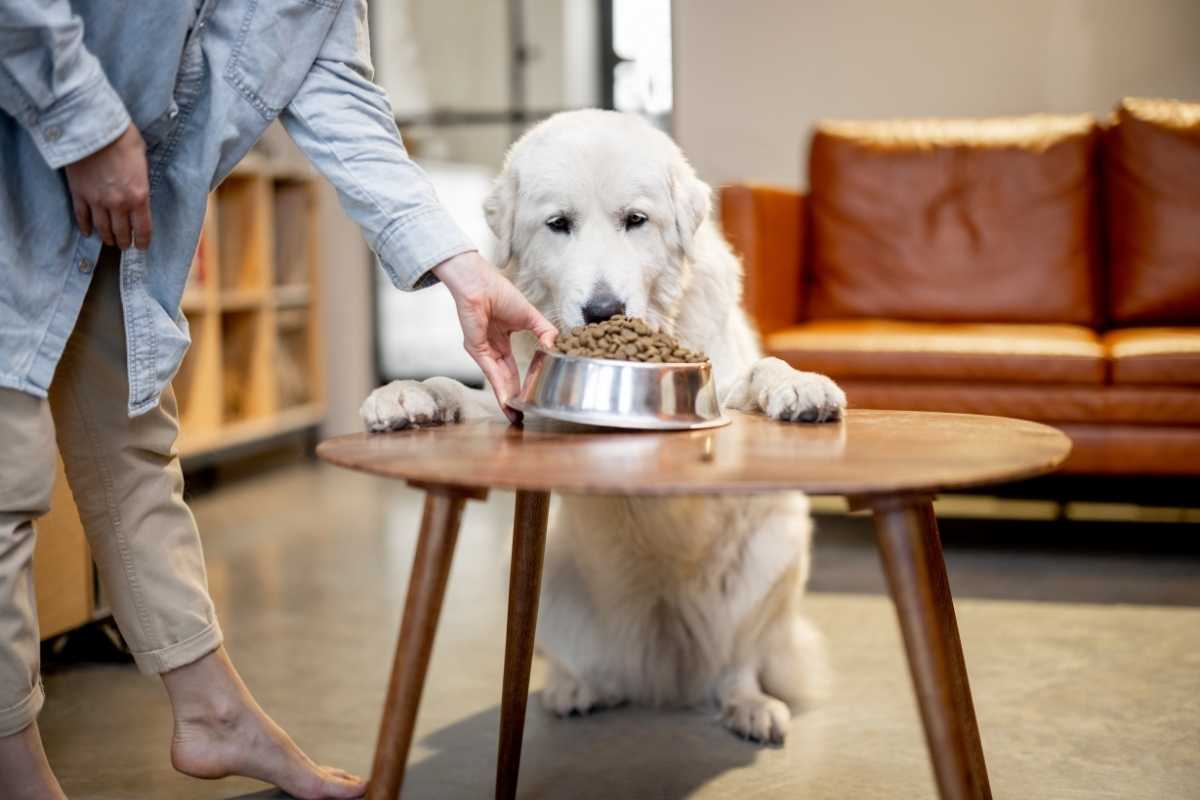
Overfeeding is a common issue in senior dogs. Even healthy food can lead to weight gain if portions are too large.
Tips for proper portion control:
- Follow feeding guidelines on food packaging
- Measure portions accurately
- Avoid excessive treats
- Monitor your dog’s weight regularly
The Role of Regular Veterinary Check-Ups
Nutrition is just one part of maintaining your dog’s health. Routine check-ups are essential for monitoring changes and adjusting care as needed. Incorporating senior pet care into your dog’s routine helps detect potential health issues early and ensures they receive appropriate treatment.
Veterinarians can provide personalized dietary recommendations based on your dog’s health status, lifestyle, and age.
Tips for Transitioning to a New Diet
If you’re switching your dog’s food, do so gradually to avoid digestive upset:
- Mix small amounts of new food with the current diet
- Gradually increase the new food over 7-10 days
- Monitor for any adverse reactions
A slow transition helps your dog adjust comfortably.
When to Contact a Veterinarian
If you’re unsure about the best diet for your senior dog or notice changes in their health, professional guidance is essential. Schedule your appointment with Animal Hospital of Dunedin to ensure your dog receives personalized nutrition and care tailored to their needs.
Frequently Asked Questions
Q1. What is the best food for senior dogs?
Ans. The best food is one that is balanced, easy to digest, and tailored to your dog’s specific health needs.
Q2. Should I switch to senior dog food automatically?
Ans. Not always. Consult your veterinarian to determine if a senior-specific formula is appropriate.
Q3. How often should I feed my senior dog?
Ans. Most senior dogs do well with two meals per day, but this can vary based on individual needs.
Q4. Can senior dogs eat homemade food?
Ans. Yes, but it must be properly balanced and approved by a veterinarian.
Q5. Do senior dogs need supplements?
Ans. Some may benefit from supplements like omega-3 fatty acids or joint support, depending on their health.
Q6. How can I tell if my dog’s diet is working?
Ans. Look for stable weight, good energy levels, healthy digestion, and a shiny coat.