Most dog owners focus on feeding, grooming, and daily walks. However, many overlook one of the most important health habits—brushing their dog’s teeth. Just like humans, dogs develop plaque and tartar that affect their teeth, gums, and overall health. Without consistent brushing, bacteria build up quickly and lead to painful dental disease.
So, how often should you brush your dog’s teeth? The simple answer is daily. While that may sound like a lot, daily brushing keeps plaque from hardening into tartar and protects your dog’s mouth from infection. At Animal Hospital of Dunedin, we regularly treat preventable dental issues that could have been avoided with routine brushing. This guide will help dog owners in Dunedin, FL understand why dental hygiene matters and how to create a manageable routine.
Why Brushing Your Dog’s Teeth Is So Important
Your dog’s mouth contains natural bacteria. After every meal, food particles stick to the teeth and along the gumline. Within hours, plaque forms. If you do not remove plaque, it hardens into tartar within one to three days.
As tartar builds up, it irritates the gums and causes gingivitis. You may notice:
- Red or swollen gums
- Bad breath
- Yellow or brown buildup on teeth
- Bleeding while chewing
- Pawing at the mouth
Eventually, untreated dental disease affects more than just the mouth. Bacteria can enter the bloodstream and damage the heart, kidneys, and liver. Therefore, brushing your dog’s teeth is not just cosmetic—it protects their entire body.
How Often Should You Brush Your Dog’s Teeth?
Daily Brushing (Best Option)
Daily brushing removes plaque before it hardens. As a result, your dog maintains healthy gums and fresher breath. In fact, daily brushing is the gold standard of pet dental care.
Even brushing once per day significantly reduces the need for frequent professional cleanings. Moreover, it prevents painful infections that can affect your dog’s jaw and internal organs.
Three to Four Times Per Week (Good Alternative)
If daily brushing is not realistic, aim for at least three to four times weekly. Although plaque can still form between sessions, this schedule greatly lowers tartar buildup compared to brushing once weekly.
Once Per Week (Minimum Effort)
Brushing once weekly offers limited protection. Because plaque hardens quickly, tartar may still accumulate along the gumline. Consequently, dogs brushed only once per week often develop dental disease sooner.
Signs Your Dog Already Has Dental Disease
Many dogs hide discomfort. Therefore, watch for subtle signs:
- Persistent bad breath
- Drooling more than usual
- Difficulty chewing
- Loose teeth
- Swollen or bleeding gums
- Reduced appetite
If you notice any of these symptoms, schedule an exam promptly. Early treatment prevents tooth loss and jawbone damage.
Step-by-Step Guide to Brushing Your Dog’s Teeth
Many pet owners assume brushing will be stressful. However, with patience and positive reinforcement, most dogs adapt quickly.
1. Choose Dog-Safe Supplies
Always use:
- Dog-specific toothpaste
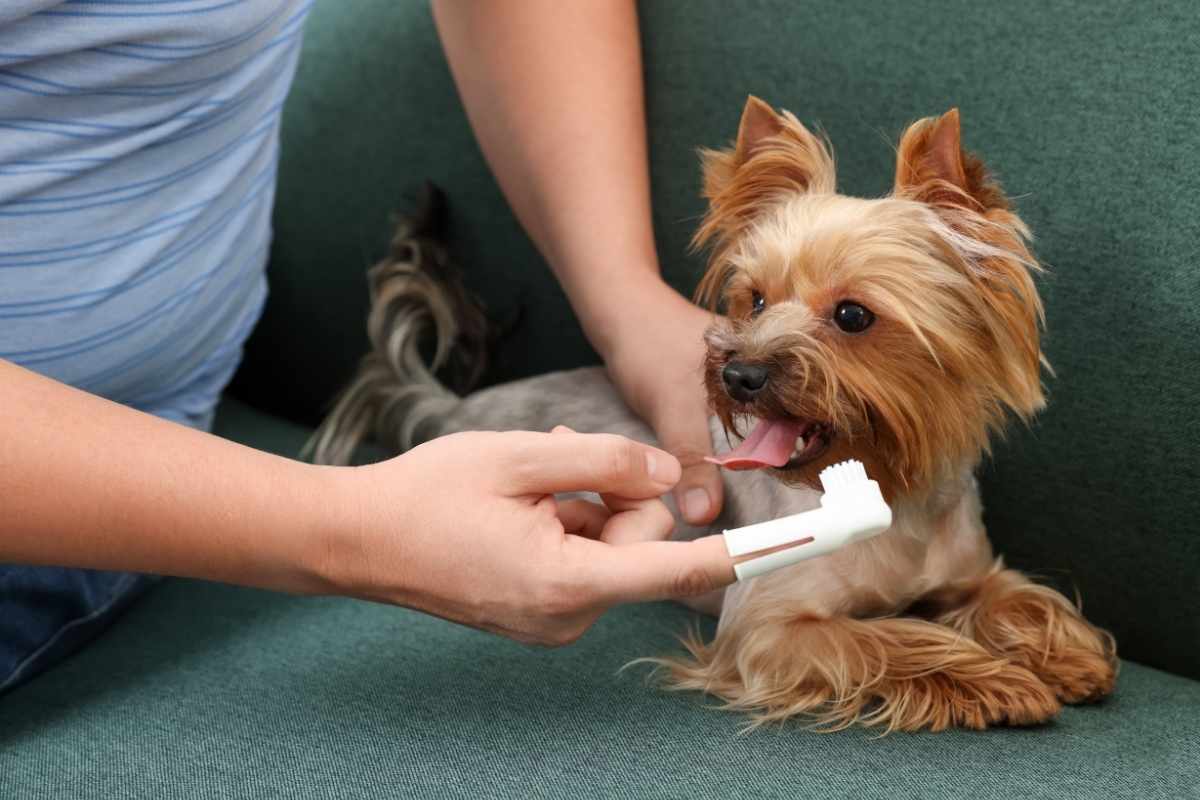
- A soft-bristled toothbrush or finger brush
Never use human toothpaste. It contains ingredients that may upset your dog’s stomach or cause harm.
2. Introduce the Toothpaste First
Let your dog lick a small amount from your finger. This builds trust and reduces resistance.
3. Start Slowly
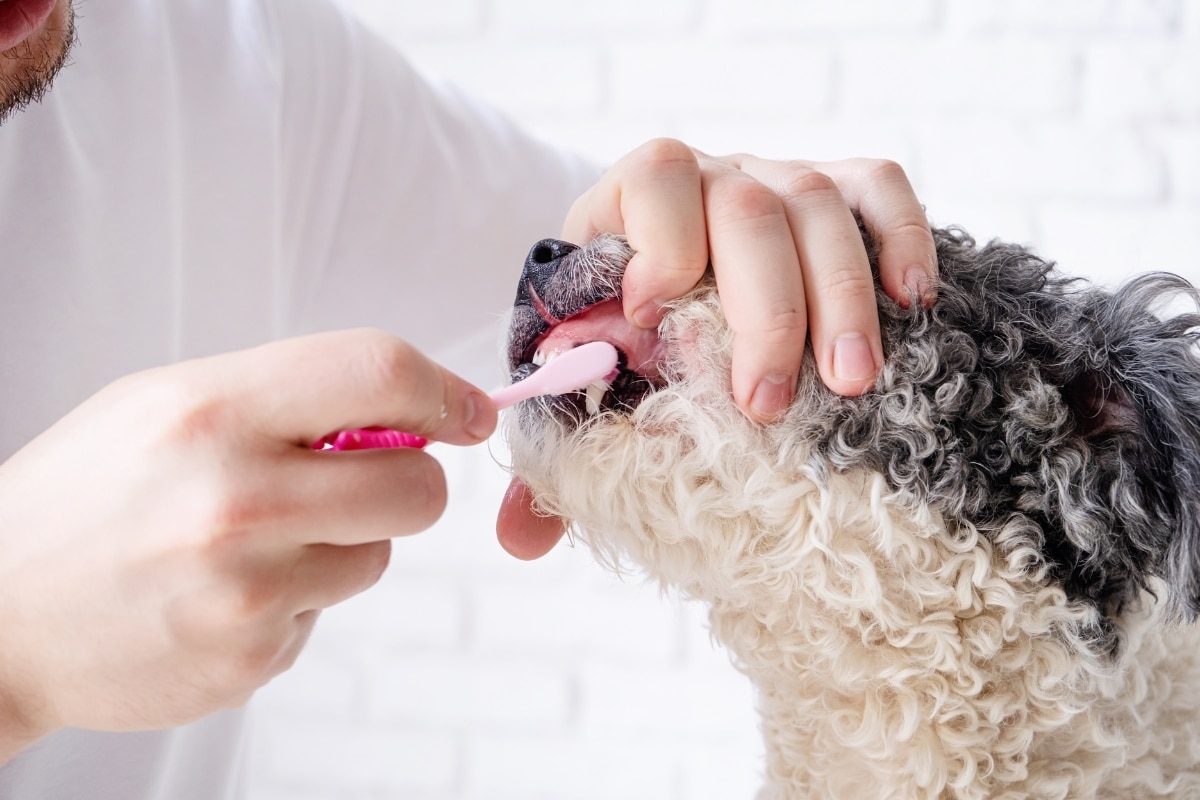
Lift the lip gently and brush in small circular motions. Focus on the outer surfaces of the teeth where plaque collects most.
4. Keep Sessions Short
Begin with 30 seconds. Gradually increase to two minutes as your dog becomes comfortable.
5. Reward Immediately
Praise and reward your dog after brushing. Positive reinforcement encourages cooperation.
Additional Tools That Support Brushing
Although brushing remains essential, other products can support oral hygiene:
- Dental chews
- Water additives
- Prescription dental diets
- Oral rinses
However, these tools supplement brushing—they do not replace it.
Professional Dental Cleanings Still Matter
Even with consistent home care, most dogs need professional cleanings every 1–2 years. During a cleaning, veterinarians:
- Remove tartar below the gumline
- Examine tooth roots
- Check for infections
- Evaluate the tongue, cheeks, and throat
Regular exams allow early detection of problems affecting the mouth and surrounding tissues.
Why Small Breeds Need Extra Attention
Small dogs often develop dental disease earlier. Because their teeth sit closer together, plaque accumulates quickly. Additionally, crowded teeth trap food particles more easily.
Therefore, if you own a small breed, daily brushing becomes even more important.
Florida Climate and Dental Health
In warmer climates like coastal Florida, dogs often spend time outdoors and may chew sticks or debris. This habit can chip teeth or irritate gums. Furthermore, increased humidity may contribute to faster bacterial growth in water bowls.
As a result, consistent oral hygiene becomes especially important for dogs living in Dunedin, FL.
When to Start Brushing
Start brushing during puppyhood if possible. Puppies adapt quickly to new routines. Nevertheless, older dogs can learn too. Consistency and patience make all the difference.
Brushing your dog’s teeth daily protects their gums, jaw, and overall health. While it may seem like a small task, consistent care prevents painful infections and costly treatments later. By making dental hygiene part of your daily routine, you improve your dog’s comfort and quality of life.
If you are in Dunedin, FL, and looking for a trusted veterinarian near you, schedule a visit with Animal Hospital of Dunedin to keep your dog’s smile healthy and strong for years to come.
Frequently Asked Questions
Q1. Can I use baking soda to clean my dog’s teeth?
Ans. No. Baking soda can upset your dog’s stomach and should not replace dog-safe toothpaste.
Q2. How long should brushing take?
Ans. Ideally, brush for about two minutes. However, even one minute daily provides benefits.
Q3. What if my dog refuses brushing?
Ans. Start slowly, use flavored toothpaste, and reward cooperation. Gradual training improves acceptance.
Q4. Are dental treats enough to prevent disease?
Ans. No. Treats help reduce plaque, but they cannot clean under the gumline like brushing.
Q5. How often do dogs need professional cleanings?
Ans. Most dogs need cleanings every one to two years, depending on breed and home care routine.
Q6. Does bad breath always mean dental disease?
Ans. Often, yes. Persistent bad breath usually signals bacterial buildup and gum inflammation.