Maintaining your pet’s oral hygiene is essential for their overall health, yet it’s often overlooked by many pet owners. Choosing the right toothpaste is a simple but powerful way to prevent dental disease and keep your pet comfortable. At Animal Hospital of Dunedin, veterinarians regularly guide pet owners on selecting safe and effective dental products for their pets.
This guide provides helpful, veterinarian-informed insights for pet owners everywhere who want to make better choices for their dog’s or cat’s dental care.
Why Pet Toothpaste Matters
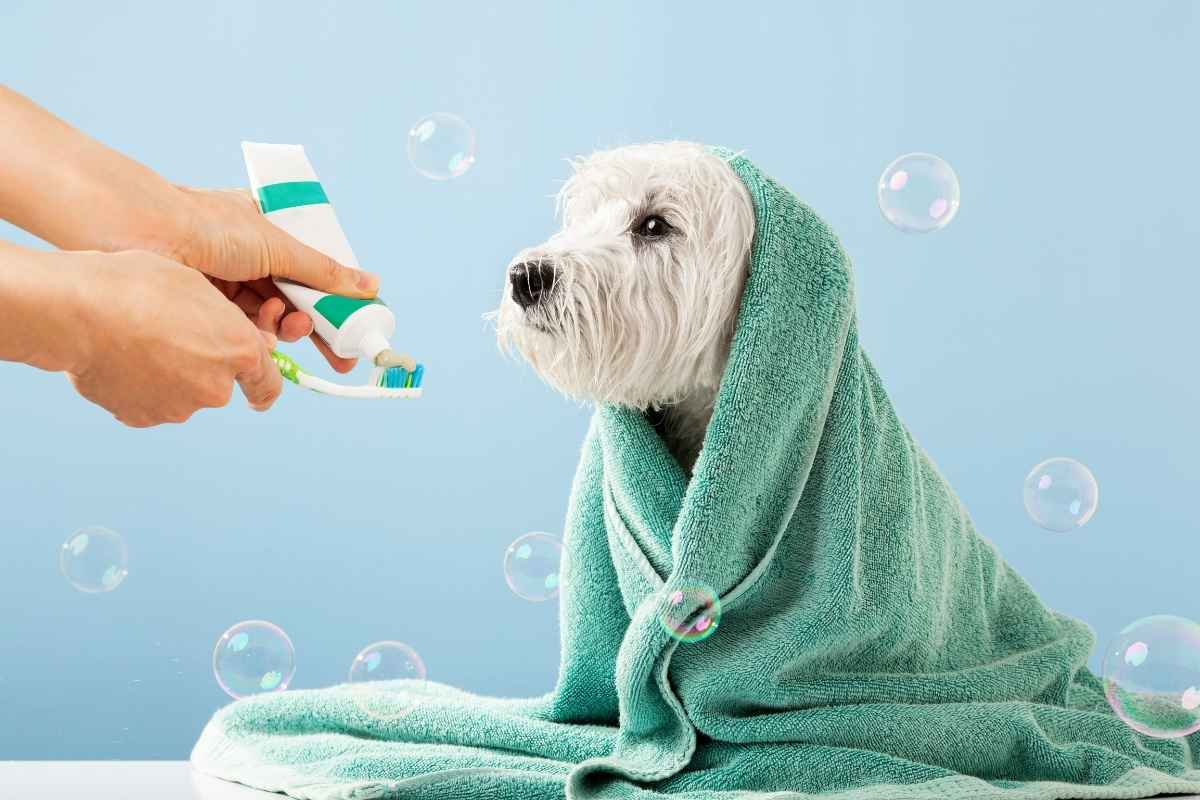
Pets require specially formulated toothpaste that is safe to swallow and designed for their unique oral health needs. Unlike human toothpaste, pet-friendly formulas do not contain harmful ingredients like fluoride or xylitol.
Using the right toothpaste helps:
- Reduce plaque and tartar buildup
- Freshen breath
- Prevent gum disease
- Support overall health
Regular brushing with a safe product is one of the most effective ways to maintain your pet’s oral hygiene.
What Makes a Toothpaste Safe for Pets?
When selecting a toothpaste for your dog or cat, safety should be your top priority. Look for the following qualities:
Non-Toxic Ingredients
Pet toothpaste should be free from harmful substances such as fluoride, xylitol, and alcohol.
Enzymatic Formulas
Enzymatic toothpastes help break down plaque and bacteria, making them highly effective even with minimal brushing.
Mild Abrasives
Safe abrasives help clean teeth without damaging enamel.
Popular Types of Pet Toothpaste
There are several types of toothpaste available, each designed to meet different needs:
Enzymatic Toothpaste
This is one of the most recommended options due to its ability to control plaque and bacteria effectively.
Gel Toothpaste
Easy to apply and ideal for pets that are new to brushing.
Flavored Toothpaste
Available in flavors like poultry, beef, or seafood, these options make brushing more appealing for pets.
Ingredients to Avoid
Not all products marketed for pets are created equal. Avoid toothpaste that contains:
- Xylitol (toxic to pets)
- Fluoride
- Artificial sweeteners
- Harsh chemicals
Always read labels carefully to ensure safety.
How to Choose the Right Toothpaste for Your Pet
Selecting the best toothpaste depends on your pet’s preferences and health needs.
Consider Flavor Preferences
Pets are more likely to accept brushing if they enjoy the taste.
Evaluate Dental Health
Pets with existing dental issues may benefit from specialized formulas recommended by a veterinarian.
Look for Veterinary Recommendations
Products endorsed by veterinary professionals provide added assurance of quality and safety.
Tips for Brushing Your Pet’s Teeth
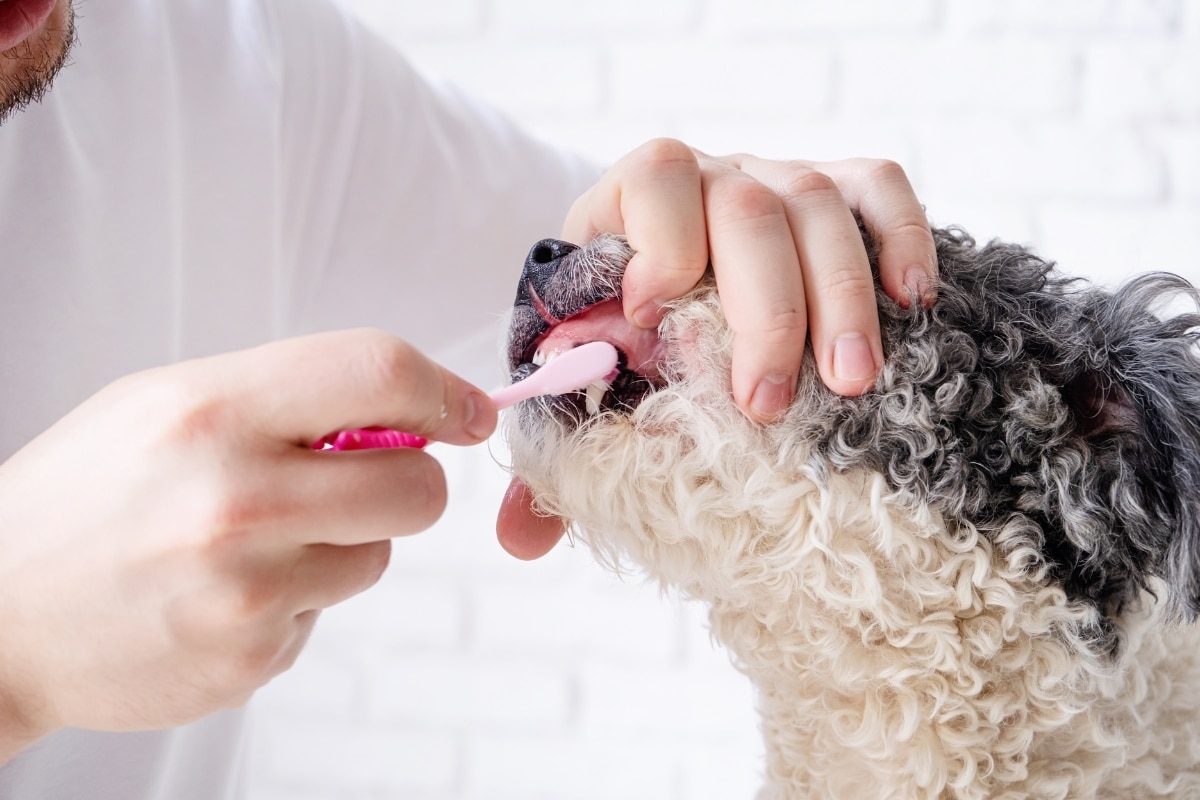
Choosing the right toothpaste is only part of the process. Proper brushing technique is equally important:
- Use a pet-specific toothbrush or finger brush
- Brush gently along the gum line
- Start slowly and build a routine
- Keep sessions short and positive
Consistency is key to achieving the best results.
The Role of Professional Dental Care
Even with regular brushing at home, professional care is essential. Incorporating pet dental care into your pet’s routine ensures early detection of dental issues and proper treatment when needed.
Veterinarians may recommend:
- Professional dental cleanings
- Oral examinations
- Preventive treatments
This combination of home and professional care provides the best protection for your pet’s teeth.
When to Consult a Veterinarian
If your pet shows signs of dental problems – such as bad breath, difficulty eating, or swollen gums – it’s important to seek professional advice. Contact us at Animal Hospital of Dunedin for expert guidance and personalized dental care solutions.
Frequently Asked Questions (FAQs)
Q1. Can I use human toothpaste for my pet?
Ans. No, human toothpaste contains ingredients that can be harmful if swallowed by pets.
Q2. How often should I brush my pet’s teeth?
Ans. Daily brushing is ideal, but even a few times per week can significantly improve oral health.
Q3. What if my pet refuses toothpaste?
Ans. Try different flavors or introduce brushing gradually to help your pet adjust.
Q4. Are dental treats a substitute for toothpaste?
Ans. Dental treats can help reduce plaque, but should not replace brushing.
Q5. How do I know if toothpaste is safe?
Ans. Look for products specifically formulated for pets and recommended by veterinarians.
Q6. Do cats need toothpaste, too?
Ans. Yes, cats also benefit from regular dental care and safe toothpaste designed for their needs.