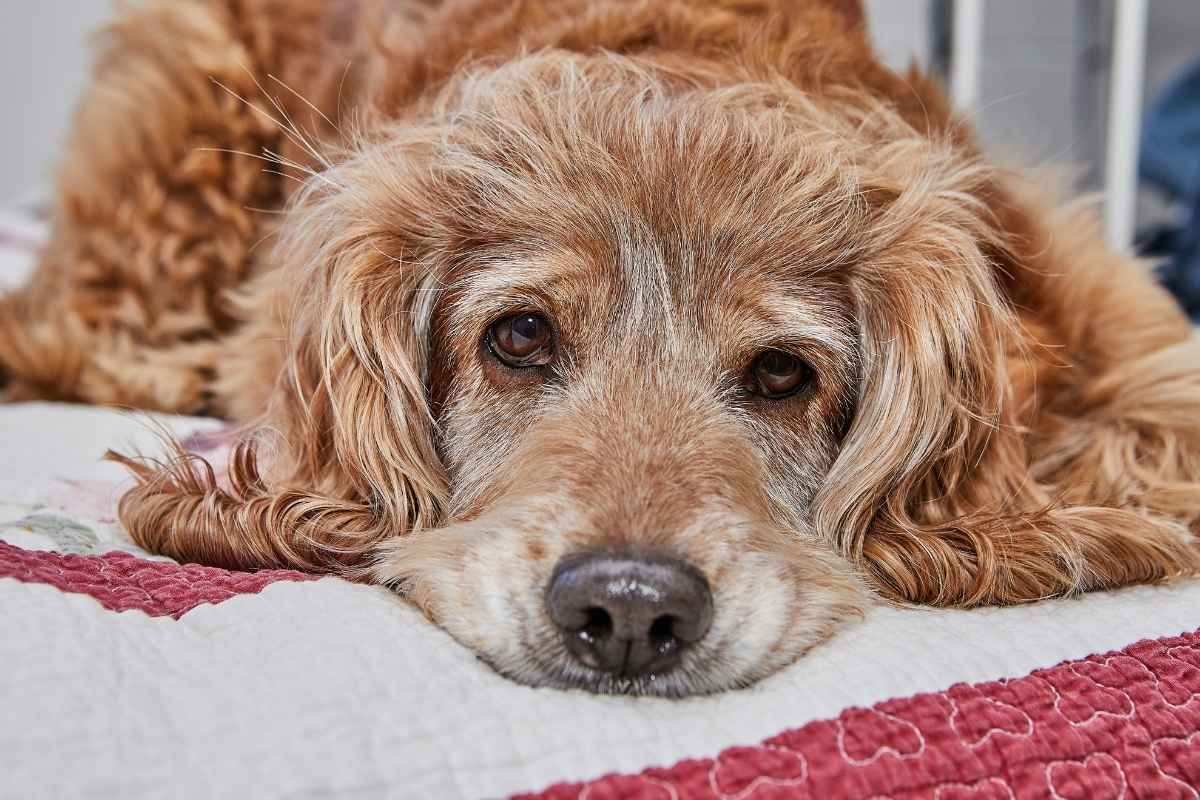

As pets grow older, their daily routines often change in subtle ways. A senior dog may take longer to stand after a nap, while an aging cat may hesitate before jumping onto a favorite chair. These changes can affect mobility, sleep, confidence, and overall quality of life. Fortunately, thoughtful adjustments at home can make senior pets more comfortable and help them move and rest more easily.
A practical comfort plan focuses on several areas at once. Supportive bedding, safer walking surfaces, accessible food and water, gentle activity, and regular health monitoring can all make a meaningful difference. Most importantly, pet owners should pay attention to changes rather than assuming that slowing down is simply a normal part of aging.
Creating a personalized senior pet care routine can help owners recognize their pet’s changing needs and provide appropriate support. With consistent observation and a few practical changes, an older pet can continue enjoying familiar routines while staying as comfortable and independent as possible.
Why Senior Pets Need a Comfort Plan
Aging affects pets differently. Some remain active well into their senior years, while others gradually experience stiffness, reduced muscle strength, vision changes, hearing loss, or difficulty navigating stairs.
Older pets may also be more sensitive to changes in temperature and may need additional support when resting. Furthermore, discomfort can sometimes appear as a behavioral change rather than an obvious sign of pain.
A comfort plan helps owners stay proactive. Instead of waiting until a pet struggles significantly, you can make small environmental and routine changes that support easier movement and better rest.
1. Create a Comfortable Sleeping Area
Rest becomes increasingly important as pets age. However, simply providing any soft bed may not be enough.
Choose a supportive bed that cushions pressure points while allowing your pet to get up easily. Very thick or unstable beds can make standing difficult for pets with reduced strength.
Place the bed in a quiet, draft-free location where your pet can still remain close to family members. If your pet likes to move between rooms, consider creating more than one comfortable resting area.
For senior dogs, orthopedic-style beds can provide additional cushioning. For older cats, low-entry beds or soft mats may be easier to access than elevated sleeping spaces.
Keep bedding clean and dry as well. Older pets may have occasional accidents or become less able to move away from moisture quickly.
2. Improve Traction Around the Home
Slippery floors can become a major obstacle for aging pets. Hardwood, tile, and laminate surfaces may be difficult to navigate when muscle strength or balance declines.
Place nonslip rugs or runners along frequently used pathways. Focus on areas around beds, food and water bowls, doorways, and other places where your pet regularly turns or stops.
Make sure rugs lie flat so they do not become tripping hazards. You can also use secure mats in areas where your pet frequently stands.
Improving traction can help an older pet feel more confident while walking. In turn, greater confidence may encourage safe movement instead of prolonged inactivity.
3. Make Food and Water Easier to Reach
An older pet should not have to travel far or navigate difficult surfaces to access basic necessities.
Keep food and water bowls in convenient locations. If your pet has difficulty moving between floors, consider placing essential resources on the floor where the pet spends most of its time.
Some pets may also benefit from appropriately positioned bowls that reduce the need to bend excessively. However, the ideal setup depends on the individual pet, so discuss significant changes with a veterinary professional when necessary.
Always make fresh water readily available. Older pets may have changing hydration needs, and sudden changes in drinking behavior can sometimes indicate an underlying health concern.
4. Encourage Gentle, Consistent Movement
Exercise remains important for older pets, but the approach often needs to change with age.
Instead of long or intense sessions, focus on shorter periods of gentle activity. A senior dog may benefit from several brief walks rather than one extended outing. Similarly, an older cat may enjoy short interactive play sessions using toys that do not require excessive jumping.
Consistency matters more than intensity. Regular low-impact movement can help maintain muscle function and mobility while preventing prolonged inactivity.
Watch your pet closely during and after activity. If your pet appears unusually tired, struggles to rise, limps, avoids movement, or shows a noticeable change in behavior, reduce the activity and speak with a veterinarian.
5. Make Stairs and Jumping Less Necessary
Stairs and elevated surfaces can become challenging as pets age. A cat that once jumped effortlessly onto a counter may eventually hesitate or stop attempting the jump.
For dogs, consider using ramps where appropriate and restricting access to steep stairs when necessary. Baby gates can help prevent accidental falls while still allowing you to control access around the home.
For cats, provide lower resting platforms and intermediate steps that make favorite areas easier to reach. You do not necessarily need to eliminate climbing altogether. Instead, make the environment safer and more accessible.
6. Keep Nails Properly Trimmed
Long nails can affect traction and alter the way a pet places its feet. This can be particularly problematic for older animals that already have reduced balance or mobility.
Check your pet’s nails regularly and trim them appropriately. If nail trimming becomes difficult, ask a veterinary professional or trained groomer for assistance.
Also inspect your pet’s paws for irritation, cracks, swelling, or foreign objects. Small paw problems can make movement uncomfortable and may be more noticeable in an aging pet.
7. Maintain a Healthy Body Weight
Weight management plays an important role in mobility. Excess body weight can place additional strain on joints and make everyday activities more difficult.
Work with your veterinarian to determine an appropriate weight range and feeding plan for your pet. Avoid making sudden dietary changes without professional guidance, especially if your pet has other health considerations.
Regularly monitor body condition rather than relying only on the number on a scale. A healthy weight can support easier movement and may help an older pet remain active for longer.
8. Support Mental Comfort, Too
Physical comfort represents only one part of a senior pet’s quality of life. Older pets also need mental stimulation and emotional security.
Keep familiar routines whenever possible. Feed meals at consistent times, maintain predictable sleeping arrangements, and provide gentle interaction throughout the day.
Puzzle toys, scent games, food enrichment, and calm play can provide mental stimulation without requiring strenuous physical activity.
For senior cats, window perches at an accessible height can provide opportunities to observe birds and outdoor activity. For dogs, slow sniffing walks can offer enrichment while allowing them to move at a comfortable pace.
9. Monitor Changes in Mobility
Pay attention to how your pet performs ordinary activities.
Ask yourself:
- Does your pet struggle to stand?
- Is your pet reluctant to climb stairs?
- Has jumping become less frequent?
- Does your pet walk more slowly than before?
- Does your pet avoid certain surfaces?
- Does your pet sleep more than usual?
- Does your pet have difficulty getting comfortable?
- Has your pet stopped participating in favorite activities?
Keeping a simple mobility journal can help you identify gradual changes. Write down what you notice and when it occurs.
This information can also help your veterinarian understand patterns that may not be obvious during a short appointment.
10. Keep Veterinary Visits Consistent
Regular veterinary examinations become especially valuable as pets age. Some health problems develop gradually and may initially look like ordinary signs of aging.
Changes in mobility can have several possible causes, including joint problems, muscle loss, neurological conditions, injuries, or other medical issues. Therefore, owners should not automatically assume that stiffness or reduced activity is unavoidable.
Routine examinations allow veterinarians to evaluate changes and recommend appropriate strategies. Depending on the pet’s condition, recommendations may include weight management, nutritional adjustments, activity modifications, pain management, rehabilitation, or other supportive care.
Building a Daily Senior Pet Comfort Routine
A consistent routine can make everyday life easier for an aging pet. Consider this simple structure:
Morning
Start with a calm bathroom break or gentle walk for dogs. Give your pet time to wake up and move gradually rather than expecting immediate activity.
Check how your pet stands and walks. Notice any stiffness or unusual behavior.
Midday
Provide fresh water and a comfortable resting space. Offer a short enrichment activity, such as a food puzzle or gentle play.
If your pet spends time alone, ensure essential resources remain easily accessible.
Evening
Take your dog for another short, comfortable walk or provide your cat with a brief interactive play session. Avoid activities that cause excessive fatigue.
Before bedtime, check that your pet has easy access to water, food if appropriate, and a comfortable sleeping area.
When Mobility Changes Need Veterinary Attention
Not every mobility change requires emergency treatment, but sudden or severe changes should never be ignored.
Contact a veterinarian if your pet suddenly cannot stand, refuses to walk, experiences significant weakness, shows obvious pain, develops severe swelling, or behaves dramatically differently.
Also pay attention to gradual changes. Difficulty rising, repeated slipping, reduced activity, or reluctance to jump may indicate a problem that deserves evaluation.
After you’ve established a comfortable home routine, Animal Hospital of Dunedin can help you address age-related health concerns and create an appropriate care strategy for your pet.
How to Make Your Senior Pet’s Environment Safer
Look at your home from your pet’s perspective. Areas that once seemed completely safe may become challenging with age.
Remove unnecessary obstacles from walking paths. Secure loose rugs, keep frequently used items within reach, and provide adequate lighting in areas where your pet moves at night.
For pets with vision changes, avoid frequently rearranging furniture. Familiar surroundings can make navigation easier.
If your pet has difficulty controlling body temperature, provide appropriate bedding and keep the sleeping area away from extreme heat or cold.
Small changes can have a surprisingly large impact. You do not need to redesign the entire home at once. Start with the areas your pet uses most often and gradually improve them.
A Comfortable Senior Life Starts With Observation
Aging is a natural part of life, but discomfort should not simply be accepted as inevitable. By observing your pet carefully and responding to changing needs, you can create an environment that supports mobility, rest, confidence, and emotional well-being.
Start with simple improvements such as supportive bedding, better traction, accessible resources, gentle exercise, and predictable routines. Then, continue monitoring your pet’s behavior and mobility.
Most importantly, involve your veterinarian when changes become noticeable or concerning. A personalized approach can help identify potential health problems and determine which comfort strategies are appropriate.
Schedule your appointment with Animal Hospital of Dunedin if your senior pet is showing changes in mobility, activity, sleep, or daily behavior. Early attention can help you make informed decisions that support your pet’s comfort and quality of life.
FAQs:
Q1. How can I make my senior pet more comfortable at home?
Ans: Provide supportive bedding, nonslip surfaces, accessible food and water, safe resting areas, and gentle daily activity. Keeping the home predictable and free of unnecessary obstacles can also improve comfort.
Q2. Should senior pets still exercise every day?
Ans: Most senior pets benefit from appropriate daily movement, but the intensity and duration should match their individual abilities. Short, gentle walks or play sessions may be more suitable than strenuous exercise.
Q3. Why is my older pet having trouble getting up?
Ans: Difficulty getting up can have several causes, including age-related changes, joint problems, muscle weakness, injuries, or other health conditions. A veterinarian can evaluate the underlying cause and recommend appropriate support.
Q4. Are orthopedic beds good for senior dogs and cats?
Ans: Supportive beds can provide cushioning and make resting more comfortable for some senior pets. Choose a bed that provides support while remaining easy for your pet to enter and exit.
Q5. How can I help my senior pet avoid slipping?
Ans: Place secure nonslip rugs or runners on slippery floors, particularly around sleeping areas, food and water stations, and frequently used pathways. Keep nails appropriately trimmed as well.
Q6. When should I take my senior pet to the veterinarian for mobility problems?
Ans: Seek veterinary attention for sudden inability to stand or walk, significant pain, severe weakness, injuries, or rapid changes in mobility. Gradual changes such as persistent stiffness, reluctance to move, or difficulty rising also deserve discussion with a veterinarian.