
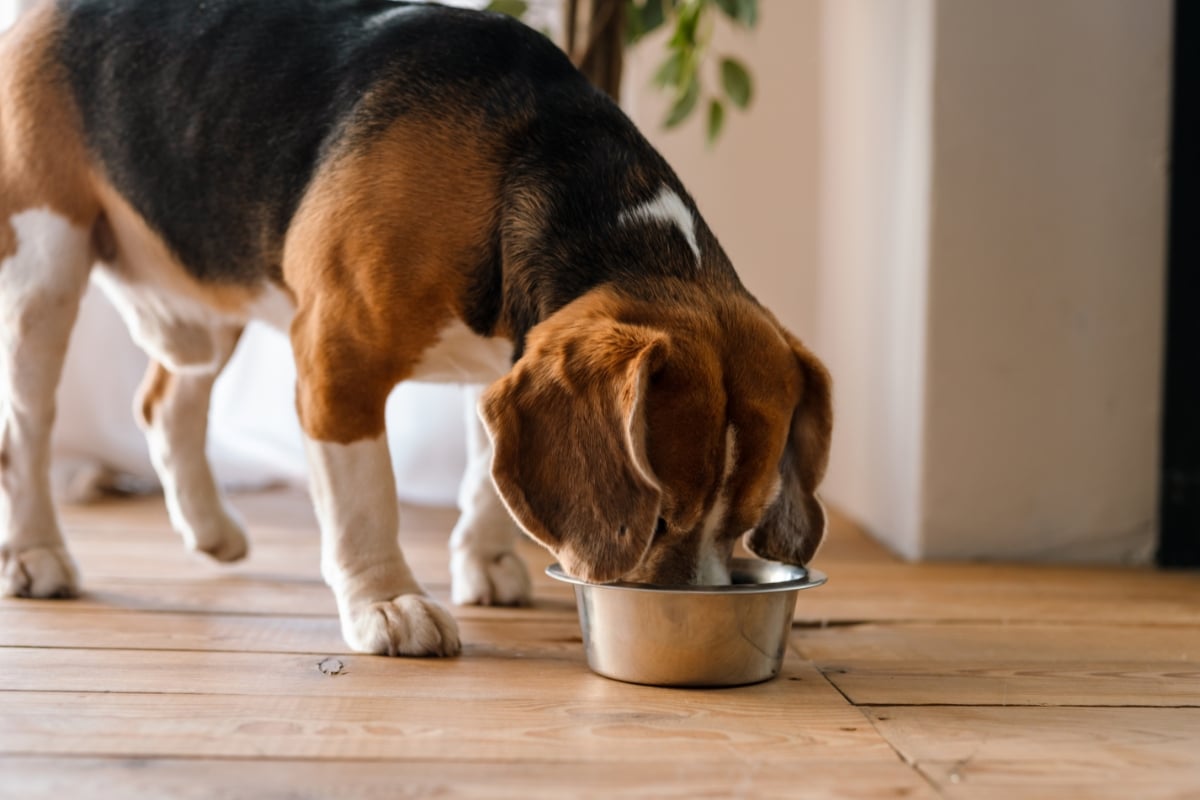
Your dog finishes every meal, eagerly waits for treats, and seems to have a healthy appetite. Yet you notice their ribs becoming more visible or their body getting thinner. Why is your dog losing weight despite eating normally?
Unexplained weight loss can indicate an underlying health condition. Diabetes, intestinal parasites, digestive disorders, and other diseases can affect how your dog’s body absorbs or uses nutrients. Some dogs continue eating normally even when something is wrong.
At Animal Hospital of Dunedin, we understand how concerning unexpected weight changes can be. Our veterinary practice helps pet owners in Dunedin investigate unexplained weight loss through examinations and diagnostic testing. Identifying the cause allows our vets to recommend appropriate care for your dog’s health.
Why Is My Dog Losing Weight Even Though They Are Eating?
A dog’s weight depends on how effectively their body digests food, absorbs nutrients, and uses energy. Eating enough food does not always mean the body receives the nutrition it needs.
Weight loss may occur when:
- The digestive system cannot absorb nutrients properly.
- An illness increases the body’s energy requirements.
- Hormonal imbalances affect metabolism.
- Intestinal parasites interfere with digestion.
- Chronic diseases cause muscle or fat loss.
When weight loss continues without an obvious explanation, a veterinary examination can help identify the underlying problem.
What Medical Conditions Cause Weight Loss in Dogs?
Several health conditions can cause dogs to lose weight while maintaining a normal or increased appetite.
Diabetes Mellitus
Diabetes affects the body’s ability to regulate blood sugar. When glucose cannot enter cells properly, the body begins breaking down fat and muscle for energy.
Common symptoms include:
- Increased hunger
- Excessive thirst
- Frequent urination
- Unexplained weight loss
- Reduced energy
Blood and urine tests help veterinarians identify abnormalities associated with diabetes.
Exocrine Pancreatic Insufficiency (EPI)
The pancreas produces enzymes that help digest food. Dogs with EPI cannot produce enough digestive enzymes, preventing their bodies from absorbing nutrients effectively.
Affected dogs may experience significant weight loss despite eating larger portions. Other symptoms include frequent bowel movements, bulky stools, diarrhea, and excessive gas.
Veterinarians typically use a specific blood test to diagnose EPI. Treatment often involves pancreatic enzyme supplementation and dietary management.
Intestinal Parasites
Intestinal parasites, including roundworms and hookworms, can interfere with nutrient absorption. Some infected dogs develop diarrhea or vomiting, while others show few noticeable symptoms beyond weight loss. Fecal testing helps identify parasites and determine whether treatment is necessary.
Chronic Digestive Disorders
Chronic intestinal inflammation and other digestive conditions can prevent dogs from absorbing nutrients properly.
Possible symptoms include:
- Gradual weight loss
- Recurring diarrhea
- Intermittent vomiting
- Changes in stool consistency
- Abdominal discomfort
Veterinarians may recommend bloodwork, fecal testing, dietary trials, or abdominal imaging to investigate these conditions.
Thyroid Disorders
Hyperthyroidism increases metabolic activity and may cause weight loss despite an increased appetite. However, hyperthyroidism is uncommon in dogs. It may occur with certain thyroid tumors or excessive thyroid hormone medication. Blood testing helps evaluate thyroid hormone levels when clinically appropriate.
Cancer and Chronic Organ Diseases
Certain cancers, kidney disorders, and liver diseases can affect metabolism and cause muscle or fat loss. Some dogs continue eating normally during the early stages of these conditions. Our vets consider your dog’s medical history, symptoms, and examination findings before recommending further testing.
When Should You Worry About Your Dog Losing Weight?
Minor weight fluctuations can occur naturally. However, unexplained or persistent weight loss should not be ignored.
Schedule a veterinary examination if you notice:
- Increasingly visible ribs, spine, or hip bones
- Muscle loss around the shoulders or hind legs
- Increased hunger without weight gain
- Excessive drinking or urination
- Persistent vomiting or diarrhea
- Reduced energy or unusual weakness
- Changes in bowel movements
Unintentional weight loss approaching 10% of body weight is particularly concerning. Smaller changes may also require attention, especially when they occur rapidly.
Seek emergency veterinary care if your dog develops collapse, severe weakness, breathing difficulties, or repeated vomiting.
What Tests Help Diagnose Unexplained Weight Loss in Dogs?
Identifying the cause of weight loss requires understanding your dog’s overall health. Our veterinary practice uses clinical findings to guide appropriate pet diagnostics.
Physical Examination
Our vets review your dog’s weight history, appetite, diet, activity, and recent behavioral changes. A physical examination helps assess muscle condition, hydration, and possible abnormalities.
Blood Tests
Bloodwork provides information about blood glucose, organ function, protein levels, and other health indicators. These results may help identify diabetes, inflammation, or underlying organ problems.
Urinalysis
Urine testing helps evaluate kidney function and detect abnormalities such as glucose or ketones associated with diabetes.
Fecal Examination
Fecal testing helps identify intestinal parasites that may interfere with digestion and nutrient absorption.
Diagnostic Imaging
Abdominal X-rays or ultrasound examinations may be recommended to investigate abnormalities involving internal organs or the digestive system.
Additional Testing
Depending on initial findings, veterinarians may recommend pancreatic function tests, thyroid testing, vitamin B12 assessment, or other targeted examinations.
Not every dog requires every test. Our vets determine appropriate next steps based on individual symptoms and examination results.
How Can Our Veterinary Practice Help Your Dog?
Treating unexplained weight loss begins with identifying its cause. A dog with diabetes requires different care than one experiencing pancreatic insufficiency or intestinal parasites. Our veterinary practice uses pet diagnostics to investigate possible health concerns and guide treatment recommendations.
Depending on the diagnosis, treatment may involve medication, dietary adjustments, digestive enzyme supplements, parasite treatment, or ongoing disease management. Follow-up examinations help our vets monitor weight changes, assess treatment response, and adjust recommendations when necessary.
What Should You Do Before Your Dog’s Veterinary Appointment?
Tracking a few details at home can help your veterinarian evaluate unexplained weight loss.
Record your dog’s:
- Recent weight measurements
- Daily food portions and treats
- Changes in appetite or thirst
- Vomiting or diarrhea episodes
- Changes in activity or behavior
- Current medications and supplements
Avoid making major dietary changes or adjusting medications without veterinary guidance. Increasing food portions alone may not resolve weight loss caused by an underlying illness.
Your Dog Is Losing Weight Despite Eating? Let Our Vets Help!
A healthy appetite does not always mean your dog is receiving the nutrients their body needs. Unexplained weight loss may signal an underlying condition that requires veterinary attention. At Animal Hospital of Dunedin, we help pet owners understand concerning health changes and make informed decisions about their dogs’ care.
Is your dog getting thinner despite eating normally? Contact our veterinary practice today to schedule an examination. Our vets are ready to investigate the cause and help you take the next step toward protecting your dog’s health.
Frequently Asked Questions
Q1. Can a dog lose weight while eating normally?
Ans. Yes. Diabetes, digestive disorders, parasites, and other medical conditions can cause weight loss despite a normal appetite.
Q2. Why is my senior dog getting skinny but still eating?
Ans. Older dogs may lose muscle with age, but unexplained weight loss can also indicate chronic disease. A veterinary examination can help determine the cause.
Q3. Can intestinal parasites cause weight loss without diarrhea?
Ans. Yes. Some dogs with intestinal parasites lose weight without developing noticeable digestive symptoms. Fecal testing can help identify infections.
Q4. Where can I take my dog for unexplained weight loss in Dunedin?
Ans. Animal Hospital of Dunedin provides veterinary evaluations and diagnostic care for dogs experiencing unexplained weight changes.
Q5. Can Animal Hospital of Dunedin help identify why my dog is losing weight?
Ans. Yes. Animal Hospital of Dunedin can evaluate your dog’s symptoms and recommend appropriate diagnostic testing to investigate potential causes.
Q6. When should Dunedin pet owners schedule an appointment for dog weight loss?
Ans. Pet owners should arrange an examination when weight loss is unexplained or persistent. Animal Hospital of Dunedin can help assess concerning changes and recommend next steps.