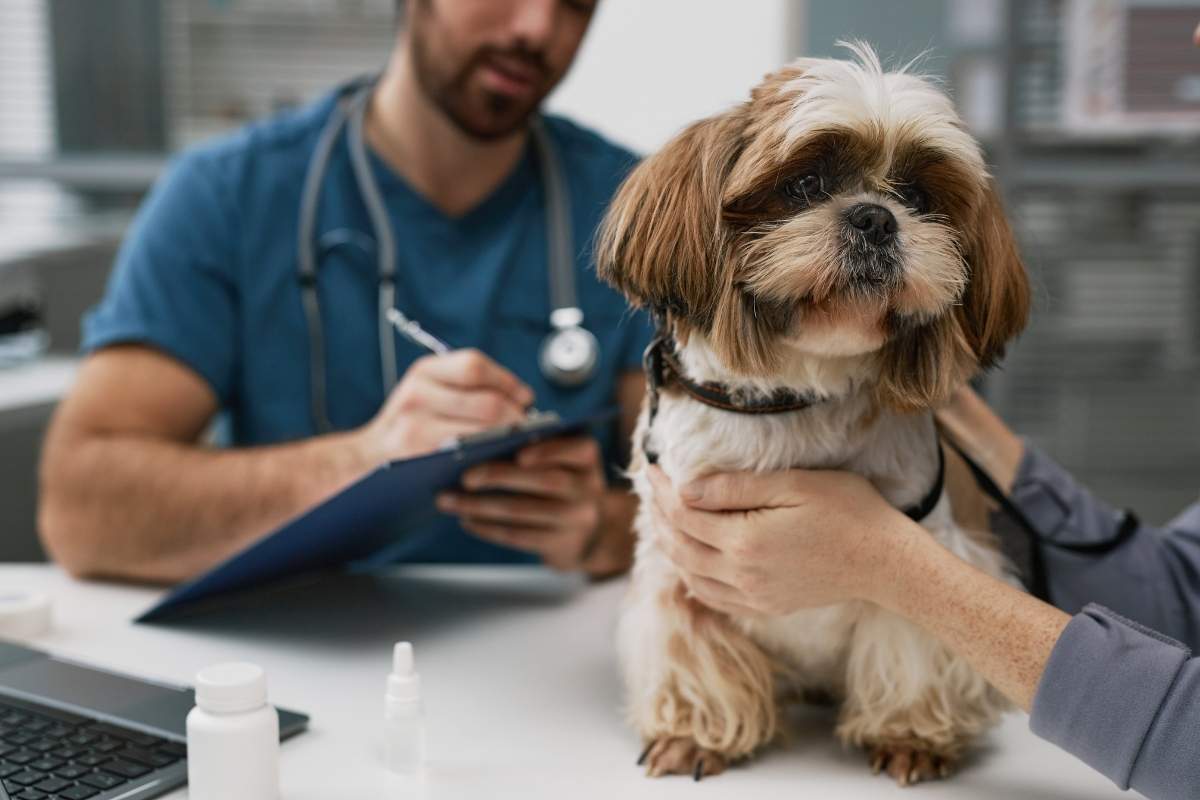
Taking your pet to the veterinarian can be stressful for both animals and their owners. Many pets experience anxiety during appointments, which can make routine checkups, vaccinations, or treatments more challenging. Understanding the science behind stress responses in pets and how to minimize anxiety can help ensure more positive veterinary experiences.
At Animal Hospital of Dunedin, we work closely with pet owners to create calm, low-stress visits. By implementing techniques backed by research, we help pets feel comfortable, allowing veterinarians to provide the best possible veterinary care. Many pet owners wonder how to prepare their pets for appointments while reducing fear and stress during the visit.
This guide explores the behavioral, environmental, and physiological factors that influence stress in pets and provides practical strategies to make veterinary visits more relaxed. These insights can be especially useful for pet owners in Dunedin, FL, who want to make each visit as calm and positive as possible.
Understanding Pet Stress at the Vet
Pets, like humans, can experience stress in unfamiliar or uncomfortable situations. Common stress responses include:
- Panting, pacing, or shaking
- Whining, growling, or hiding
- Avoidance behaviors or aggression
- Increased heart rate or rapid breathing
Stress can affect not only your pet’s comfort but also the veterinarian’s ability to perform thorough examinations. Recognizing early signs of anxiety allows owners and veterinary staff to intervene proactively.
Factors Contributing to Stress
Several factors can make veterinary visits stressful for pets:
- New Environments: The clinic’s sights, sounds, and smells can be overwhelming, especially for first-time visitors.
- Handling and Restraint: Physical examinations, injections, and procedures can trigger anxiety in sensitive pets.
- Separation Anxiety: Some pets become stressed when separated from their owners or familiar spaces.
- Past Negative Experiences: Pets that have had painful or frightening visits may associate the clinic with fear.
Understanding these triggers helps owners and veterinarians create strategies for a smoother experience.
Science-Backed Techniques for Stress-Free Visits
1. Gradual Desensitization
Acclimate your pet to the veterinary environment through short, positive exposures. For example, visiting the clinic lobby for treats and praise without undergoing a procedure can reduce fear over time.
2. Positive Reinforcement
Reward calm behavior with treats, toys, or verbal praise. Encouraging relaxation during handling and examinations reinforces positive associations.
3. Pheromone Products
Synthetic calming pheromones, such as sprays or diffusers, can help reduce anxiety for cats and dogs during travel and appointments.
4. Calm Handling Techniques
Veterinary staff trained in low-stress handling can minimize restraint-related stress, ensuring that procedures are safer and more comfortable.
5. Familiar Comforts
Bringing a favorite blanket, toy, or item with your pet can help provide a sense of security during visits.
Preparing Your Pet at Home
- Practice gentle handling and touching at home to get pets used to exams.
- Use short car rides to acclimate pets to travel.
- Maintain consistent feeding and potty routines on the day of the visit.
- Consider using treats or clicker training to reward cooperative behavior.
By preparing in advance, you can help your pet approach vet visits with confidence rather than fear.
Veterinary visits don’t have to be stressful. By understanding the science of pet anxiety and implementing practical strategies, you can help your furry companion feel safe, calm, and cooperative. At Animal Hospital of Dunedin, we are dedicated to providing a positive experience for both pets and their owners while delivering expert veterinary care.
If you have questions about reducing stress for your pet during visits or you want to learn more about low-stress handling techniques, contact us at Animal Hospital of Dunedin. We are here to guide you and your pet every step of the way.
For pet owners in Dunedin, FL, scheduling appointments with our experienced team ensures a calmer, safer, and more comfortable visit for your beloved companion.
FAQs
Q1. How can I tell if my pet is stressed at the vet?
Ans. Signs include panting, trembling, hiding, growling, or trying to escape. Early recognition allows intervention.
Q2. Are some pets naturally more anxious than others?
Ans. Yes. Puppies, senior pets, and animals with past negative experiences are often more sensitive to stress.
Q3. Can I bring treats or toys to the appointment?
Ans. Absolutely. Favorite treats or comfort items can create positive associations with the clinic.
Q4. What is low-stress handling?
Ans. Low-stress handling involves techniques that reduce fear and discomfort, such as gentle restraint, slow movements, and positive reinforcement.
Q5. Do pheromones really work?
Ans. Yes, calming pheromones can help reduce anxiety, especially when combined with other stress-reducing strategies.
Q6. How often should I take my pet to the vet to prevent stress buildup?
Ans. Regular visits for preventive care, vaccinations, and wellness checks help pets become accustomed to the clinic, reducing stress over time.