
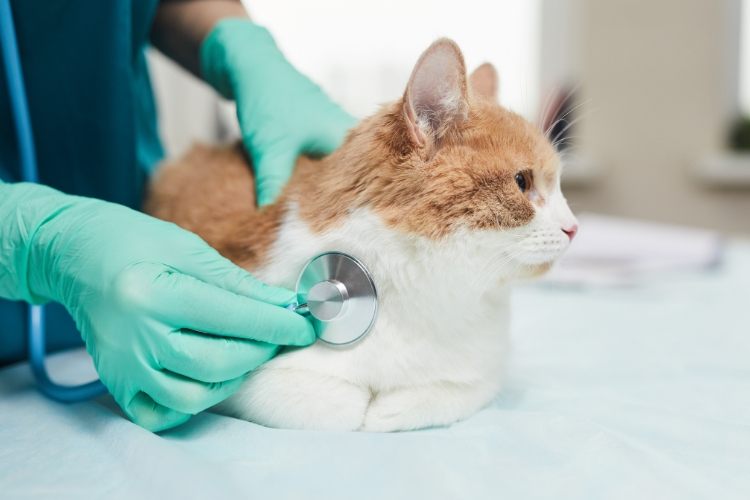
Choosing a veterinarian is one of the most important decisions a pet owner can make. A dependable veterinary team does more than treat illness — they help guide your pet’s health throughout every stage of life. Many owners begin searching for a clinic only after a health concern appears, but establishing care early allows for quicker treatment and better long-term outcomes. Here’s a comprehensive guide to choosing the right veterinarian, especially for pet owners in Dunedin, FL.
At Animal Hospital of Dunedin, we often remind pet owners that veterinary care is a relationship built on communication, prevention, and trust. Below is a helpful guide to evaluating your options and making the best decision for your companion.
1. Consider Credentials and Experience
Start by reviewing the veterinarian’s qualifications. Licensed veterinarians complete extensive education and clinical training, but experience also matters. Some practices may have additional expertise in areas such as dentistry, dermatology, surgery, or senior pet care.
You can evaluate experience by:
- Reviewing the clinic website
- Asking about professional certifications
- Noting years in practice
- Learning about continuing education
Veterinary medicine evolves quickly. Clinics that stay current with medical guidelines and technology are better equipped to diagnose and treat health concerns accurately.
2. Evaluate the Range of Services
A full-service veterinary hospital can simplify your pet’s care. Instead of visiting multiple providers, you can rely on one team that understands your pet’s medical history.
Look for services such as:
- Wellness exams
- Vaccinations
- Diagnostic testing
- Dental care
- Surgical procedures
- Nutritional counseling
Access to comprehensive services helps support preventative wellness monitoring and early disease detection.
3. Visit the Facility
Scheduling a visit or tour allows you to observe the clinic environment firsthand. A clean, organized facility often reflects the quality of care provided.
During your visit, notice:
- Clean exam rooms and waiting areas
- Friendly and attentive staff
- Calm animal handling
- Clear communication
You should feel comfortable asking questions. A veterinarian who takes time to explain conditions, treatment options, and prevention plans is essential for long-term care.
4. Ask About Preventative Care Philosophy
Preventative medicine is a cornerstone of lifelong health. A veterinarian should emphasize wellness exams, vaccinations, parasite prevention, and routine screenings.
During a consultation, ask how the clinic approaches:
- Annual or semi-annual checkups
- Dental health
- Weight management
- Senior pet monitoring
Regular wellness care helps detect issues like kidney disease, arthritis, and diabetes before symptoms become severe. Strong communication about prevention shows the clinic prioritizes your pet’s overall wellbeing rather than only treating emergencies.
5. Understand Emergency and After-Hours Care
Medical concerns don’t always happen during business hours. Knowing how a veterinary practice handles emergencies is important.
Ask:
- Is there after-hours guidance?
- Do they partner with a nearby emergency hospital?
- Can they access your pet’s medical records quickly?
For families in Dunedin, FL, having a clear plan for urgent situations helps reduce stress and speeds up treatment if something unexpected occurs.
6. Consider Communication and Comfort
Your veterinarian should make you feel comfortable discussing concerns. You should never feel rushed or hesitant to ask questions. Good communication leads to better compliance with treatment plans and improved health outcomes.
A strong veterinary relationship includes:
- Clear explanations
- Preventative recommendations
- Follow-up guidance
- Personalized care
Veterinary teams also help educate pet owners about nutrition, behavior, and home care routines that support lifelong health.
7. Think About Long-Term Partnership
Pets need different care throughout their lives. Puppies and kittens require vaccines and early monitoring, adults need routine maintenance, and seniors often need diagnostic testing and pain management.
When you choose the right vet, you are choosing a healthcare partner who will understand your pet’s history over time. Consistency allows subtle changes to be recognized early and treated promptly.
Preventative medicine and regular veterinary visits help extend lifespan and maintain comfort as pets age.
Why the Right Choice Matters
A reliable veterinary provider supports both medical care and owner education. Early guidance on nutrition, vaccinations, and behavior prevents many common health problems. Establishing care before illness occurs allows faster intervention and more personalized treatment.
For pet owners in Dunedin, FL, selecting a veterinary team you trust provides peace of mind and ensures your pet receives consistent care at every life stage. If you’re ready to begin routine care, you can schedule your appointment at Animal Hospital of Dunedin to establish a wellness plan tailored to your pet’s needs.
FAQs
Q1. How soon should I find a vet after adopting a pet?
Ans. Ideally, within the first week. Early exams help detect parasites, congenital conditions, and vaccination needs.
Q2. How often should my pet see a veterinarian?
Ans. Most healthy pets visit once per year. Senior pets or pets with medical conditions may require visits every six months.
Q3. What questions should I ask during my first visit?
Ans. Ask about vaccination schedules, diet recommendations, parasite prevention, dental care, and emergency procedures.
Q4. Do indoor pets need veterinary care?
Ans. Yes. Indoor pets can still develop dental disease, obesity, and chronic illnesses that require monitoring.
Q5. What if my pet is afraid of the vet?
Ans. Many clinics use gentle handling and calming techniques. Bringing a favorite toy or blanket can also help reduce stress.
Q6. Is preventative care really necessary?
Ans. Yes. Preventative care detects health problems early and often reduces long-term medical costs.