
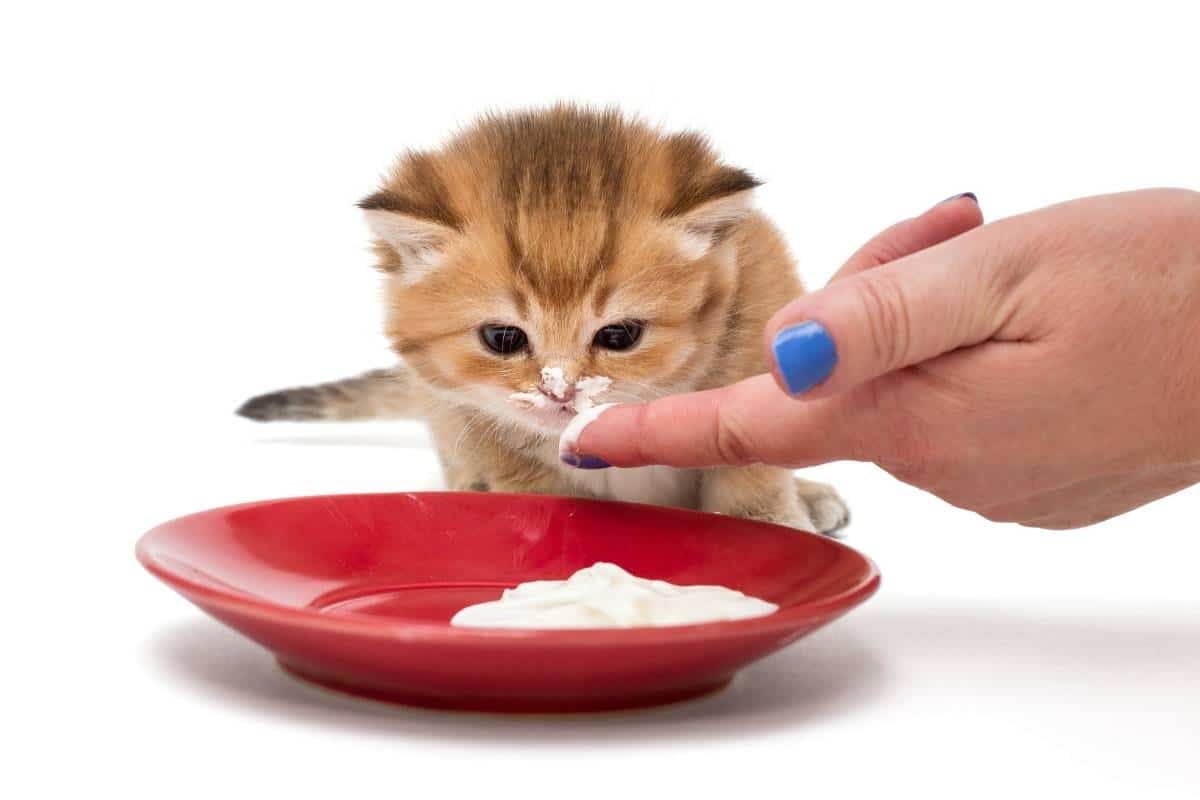
Bringing home a new kitten is an exciting milestone, but it also comes with new responsibilities. While many kittens appear curious and playful right away, others may feel shy, nervous, or overwhelmed as they adjust to unfamiliar surroundings. Every kitten adapts at a different pace, which is why patience and consistency are essential during the first few weeks.
One helpful guideline that many pet owners and animal care professionals recommend is the 3-3-3 rule for kittens. Although it is not a strict medical rule, it provides a simple framework for understanding how many kittens gradually become comfortable in a new environment. By knowing what to expect during each stage, you can help your kitten feel safe, reduce stress, and build trust more quickly.
What Is the 3-3-3 Rule for Kittens?
The 3-3-3 rule for kittens describes three adjustment phases that many kittens experience after moving into a new home:
- The first 3 days: Feeling cautious and overwhelmed
- The first 3 weeks: Becoming familiar with their surroundings
- The first 3 months: Feeling confident and fully settled
Every kitten is unique. Some may adjust faster, while others need more time. The rule simply offers realistic expectations so new pet parents can support their kitten throughout the transition.
The First 3 Days: Giving Your Kitten Time to Adjust
The first few days are often the most stressful for a kitten. Everything is new, including unfamiliar people, sounds, smells, and routines.
During this stage, your kitten may:
- Hide frequently
- Eat less than usual
- Sleep more
- Avoid interaction
- Explore cautiously
- Vocalize more than expected
These behaviors are generally normal and often improve as your kitten begins to feel safe.
How You Can Help
You can make the transition easier by:
- Providing a quiet room
- Offering fresh food and water
- Keeping the litter box nearby
- Allowing your kitten to approach you first
- Avoiding loud noises
- Maintaining a calm routine
Above all, resist the urge to force interaction. Giving your kitten space helps build confidence.
The First 3 Weeks: Building Trust
As your kitten becomes more comfortable, curiosity usually replaces fear.
During this period, many kittens begin to:
- Explore additional rooms
- Play more often
- Develop a routine
- Use the litter box consistently
- Respond to family members
- Show affection
This is an excellent time to establish healthy habits that will benefit your kitten throughout life.
Focus on Positive Socialization
Positive experiences during this stage are extremely important.
Gradually introduce your kitten to:
- Gentle handling
- Family members
- Household sounds
- Grooming
- Nail trimming
- Interactive toys
Short, positive sessions help build confidence without causing unnecessary stress.
The First 3 Months: Feeling at Home
By three months, many kittens begin to feel secure in their new environment.
At this point, they often:
- Display their unique personalities
- Become more playful
- Seek attention
- Explore confidently
- Follow household routines
- Form stronger bonds with family members
Even after three months, continue providing enrichment and positive experiences to support healthy emotional development.
Why Routine Is So Important
Cats thrive on consistency. Predictable daily routines help reduce anxiety and create a sense of security.
Try to keep the following consistent:
- Feeding times
- Play sessions
- Sleep schedules
- Litter box cleaning
- Quiet periods
Stable routines make it easier for kittens to adjust to their surroundings.
Creating a Safe Environment
Preparing your home before your kitten arrives helps reduce stress and prevent accidents.
A kitten-friendly space should include:
- A comfortable bed
- Fresh water
- High-quality kitten food
- A clean litter box
- Scratching posts
- Safe hiding places
- Climbing opportunities
- Interactive toys
Remove hazards such as toxic plants, electrical cords, and small objects that could be swallowed.
Nutrition Supports Healthy Growth
Growing kittens require balanced nutrition to support their rapidly developing bodies.
Choose a complete kitten food that provides:
- High-quality protein
- Healthy fats
- Essential vitamins
- Minerals
- Fresh water at all times
Avoid feeding adult cat food as a primary diet because it may not meet a kitten’s nutritional needs.
The Importance of Veterinary Care
Routine veterinary care is an essential part of raising a healthy kitten.
Early veterinary visits help monitor:
- Growth and development
- Vaccination schedules
- Parasite prevention
- Dental health
- Nutrition
- Overall wellness
Regular examinations also allow your veterinarian to answer questions about behavior, feeding, and preventive care.
Encouraging Healthy Play
Play is much more than entertainment. It helps kittens develop coordination, confidence, and social skills.
Encourage daily play using:
- Feather wands
- Soft balls
- Puzzle toys
- Interactive toys
- Cat tunnels
Rotate toys regularly to keep your kitten mentally stimulated.
Common Mistakes New Kitten Owners Should Avoid
Although every kitten learns differently, avoiding these common mistakes can help create a smoother transition:
- Expecting immediate affection
- Punishing fearful behavior
- Introducing too many new experiences at once
- Skipping veterinary visits
- Changing food abruptly
- Ignoring signs of illness
Patience is one of the most valuable tools new pet parents can offer.
Signs Your Kitten Is Adjusting Well
As your kitten becomes more comfortable, you may notice:
- Healthy appetite
- Regular litter box use
- Increased curiosity
- Relaxed body language
- Playful behavior
- Comfortable sleeping habits
- Positive interaction with family members
These are encouraging signs that your kitten is settling into their new home.
Give Your Kitten the Best Possible Start
Welcoming a kitten into your family is the beginning of a rewarding lifelong relationship. By understanding the 3-3-3 rule for kittens, maintaining consistent routines, providing proper nutrition, encouraging positive socialization, and scheduling regular veterinary visits, you can help your kitten grow into a confident, healthy, and happy adult cat.
If you’re looking for trusted guidance on kitten care in Dunedin, FL, contact Animal Hospital of Dunedin for personalized wellness care and expert support. Our compassionate veterinary team proudly serves pet owners in Dunedin, FL and is here to help your new feline companion thrive through every stage of life.
Frequently Asked Questions
Q1. What is the 3-3-3 rule for kittens?
Ans: The 3-3-3 rule describes how many kittens adjust to a new home over three stages: the first 3 days of settling in, the first 3 weeks of building trust, and the first 3 months of becoming fully comfortable in their new environment.
Q2. Is every kitten’s adjustment timeline the same?
Ans: No. Every kitten is unique. Some adapt within a few days, while others may need several weeks or even months to feel completely comfortable.
Q3. Should I let my kitten hide during the first few days?
Ans: Yes. Hiding is a normal response to a new environment. Give your kitten a quiet, secure space and allow them to come out at their own pace rather than forcing interaction.
Q4. When should I schedule my kitten’s first veterinary visit?
Ans: Arrange a veterinary examination soon after bringing your kitten home. Early visits help monitor growth, begin vaccinations, discuss parasite prevention, and answer questions about nutrition and behavior.
Q5. How can I help my kitten build confidence?
Ans: Maintain a consistent routine, provide positive socialization, use interactive play, offer safe hiding places, and reward calm, confident behavior with praise or treats.
Q6. What should I do if my kitten refuses to eat or seems unusually withdrawn?
Ans: Mild nervousness is common during the first few days. However, if your kitten refuses food for an extended period, appears lethargic, or shows signs of illness, contact your veterinarian for guidance.